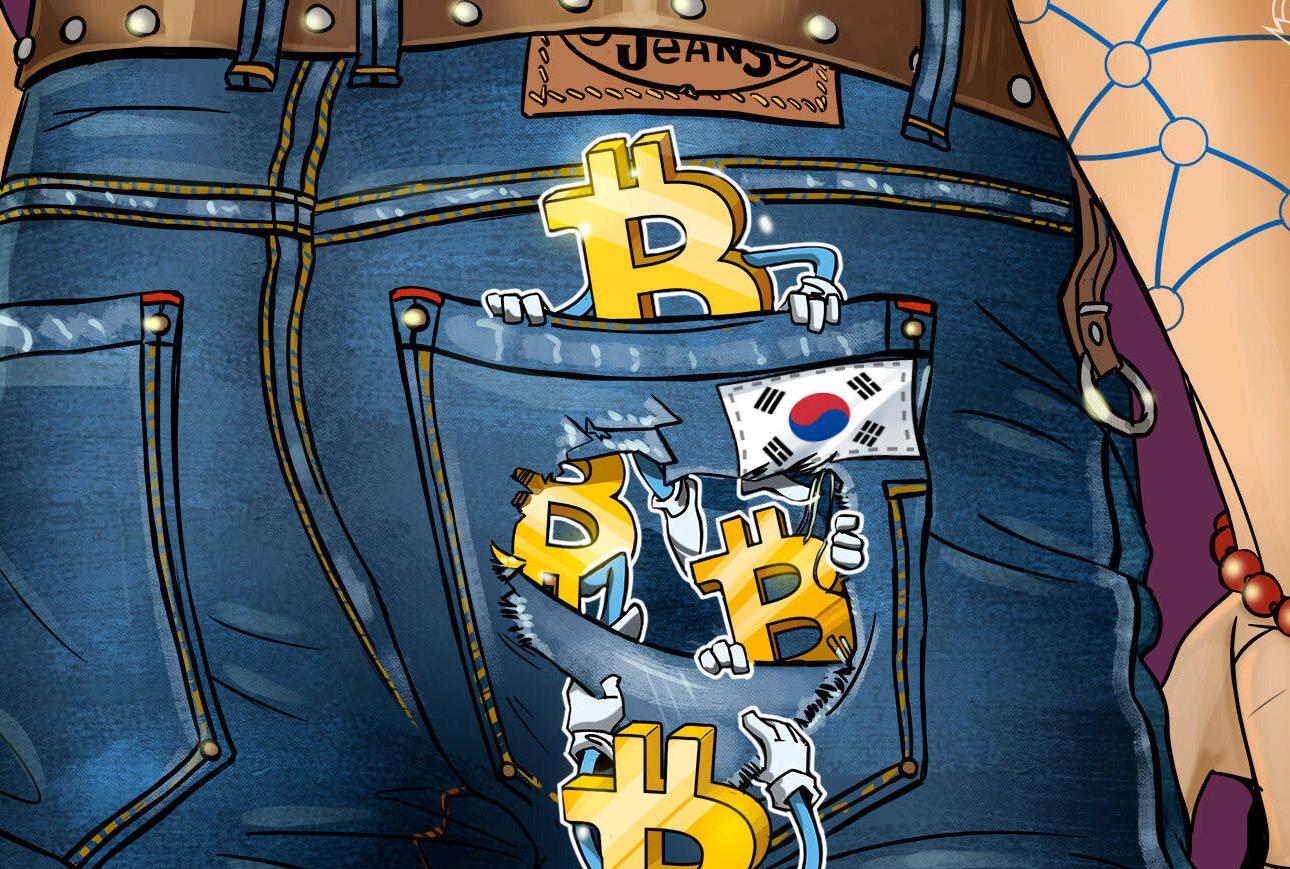

In a significant move to cleanse its digital asset ecosystem, South Korea has intensified its oversight of cryptocurrency trading. Financial Services Commission (FSC) Chair Lee Eog-won recently revealed that the regulatory body has probed 40 separate cases of cryptocurrency market manipulation over the past two years. These revelations come as the nation marks the second anniversary of the enactment of the Virtual Asset User Protection Act, a landmark piece of legislation designed to safeguard retail investors from the volatility and volatility-inducing tactics of bad actors.
The Era of Enforcement: Analyzing the FSC's Crackdown
South Korea has long been one of the world's most active cryptocurrency markets, often characterized by the "Kimchi Premium"—the phenomenon where crypto assets trade at a higher price in Korea than in other global markets. However, this high liquidity has historically attracted "whales" and coordinated groups looking to manipulate token prices through wash trading and pump-and-dump schemes.
The 40 cases probed by the FSC represent a shift from passive observation to active enforcement. According to Chair Lee Eog-won, these investigations target sophisticated manipulation tactics, including the use of automated bots to create fake trading volume and coordinated social media campaigns designed to lure unsuspecting retail investors into "trap" assets. By probing these cases, the FSC aims to send a clear message: the "Wild West" era of Korean crypto trading is officially over.
Understanding the Virtual Asset User Protection Act
The cornerstone of this regulatory push is the Virtual Asset User Protection Act. Enacted two years ago, this legislation was crafted in response to several high-profile collapses and scams that left thousands of Korean citizens with devastating financial losses. The Act focuses on three primary pillars:
1. Asset Segregation: Forcing exchanges to separate customer funds from company operational funds to prevent the "mixing" of assets, which was a central issue in the collapse of global platforms like FTX.
2. Cold Storage Mandates: Requiring a significant percentage of user deposits to be kept in cold wallets (offline storage) to mitigate the risk of hacking and internal theft.
3. Market Integrity: Establishing legal grounds to punish unfair trading practices, such as insider trading and price manipulation, which were previously difficult to prosecute under traditional financial laws.
The Mechanics of Crypto Manipulation in South Korea
To understand why 40 cases were probed, one must look at the specific types of manipulation prevalent in the region. The FSC's investigations have likely focused on several key patterns:
Wash Trading: This involves an entity simultaneously buying and selling the same asset to create the illusion of high liquidity and investor interest. This often tricks algorithmic trading bots and retail traders into buying into a "trending" coin.
Pump and Dump Schemes: Coordinated groups use Telegram or KakaoTalk channels to drive up the price of low-cap altcoins before dumping their holdings on the public at the peak.
Spoofing: Placing large buy or sell orders with no intention of executing them, thereby creating a false impression of market demand or supply to move the price in a desired direction.
The Global Implications of Korea's Regulatory Stance
South Korea's aggressive approach serves as a blueprint for other jurisdictions. As the FSC tightens its grip, it is creating a "compliance-first" environment that may attract more institutional investors who were previously deterred by the lack of legal recourse in the event of fraud.
Furthermore, this crackdown signals a convergence between traditional finance (TradFi) and decentralized finance (DeFi) regulations. By applying traditional market manipulation laws to the digital realm, South Korea is bridging the gap and treating crypto assets as serious financial instruments rather than mere speculative toys.
Challenges Remaining in the Fight Against Fraud
Despite the progress, the FSC faces uphill battles. The borderless nature of cryptocurrency means that many manipulators operate from overseas, utilizing VPNs and decentralized exchanges (DEXs) to evade local jurisdiction. Additionally, the speed of technological evolution—such as the rise of AI-driven trading bots—often outpaces the speed of legislative updates.
Market analysts suggest that for the Virtual Asset User Protection Act to be fully effective, the FSC must continue to enhance its real-time monitoring capabilities and collaborate more closely with international regulators to track cross-border illicit flows.
Conclusion: A Safer Future for Korean Investors
The revelation that 40 cases of manipulation were probed over two years is not just a statistic; it is a testament to the FSC's commitment to market hygiene. While the crackdown may cause short-term volatility as "bad" tokens are purged from exchanges, the long-term result will be a more robust, transparent, and trustworthy ecosystem.
For the average investor in South Korea, the second anniversary of the Virtual Asset User Protection Act marks a transition toward a mature market. As the FSC continues to hunt manipulators, the focus shifts from speculative gambling to sustainable investing, ensuring that the digital asset revolution is built on a foundation of integrity and law.