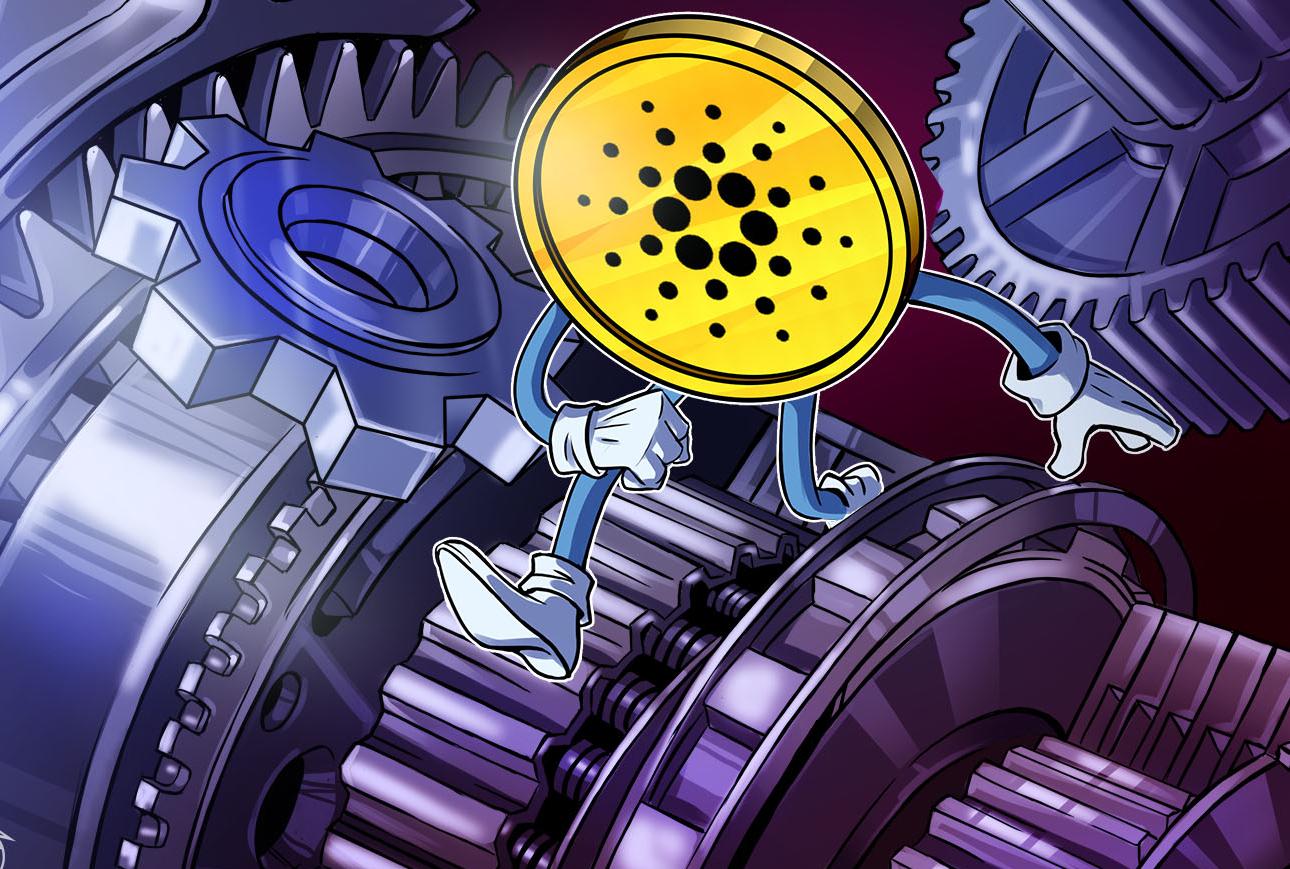

Cardano Activates van Rossem Hard Fork: A Strategic Leap Toward Hyper-Scalability
The Cardano ecosystem has reached another pivotal milestone in its long-term roadmap with the successful activation of the van Rossem hard fork. This technical upgrade is not merely a routine patch; it is a sophisticated architectural refinement designed to optimize the network's efficiency, reduce operational costs for developers, and, most importantly, pave the way for the highly anticipated Ouroboros Leios upgrade.
As the blockchain industry shifts its focus from theoretical decentralization to practical, high-throughput scalability, Cardano is leveraging its research-first approach to ensure that growth does not come at the expense of security. The van Rossem fork represents a critical bridge between the current era of the network and a future where Cardano can compete with the highest-frequency trading platforms and mass-market decentralized applications (dApps).
Understanding the van Rossem Fork: What Has Changed?
At its core, the van Rossem hard fork focuses on the refinement of the Cardano ledger and the way smart contracts are executed on-chain. For years, the Extended UTXO (EUTXO) model has provided Cardano with superior security and predictability compared to account-based models (like Ethereum). However, this model often comes with specific overhead costs during complex smart contract executions.
The van Rossem upgrade introduces several optimizations that effectively reduce the "computational tax" on smart contracts. By streamlining how the network processes script execution and state transitions, the fork reduces the overall cost for developers and end-users. This makes the network more attractive for DeFi protocols, gaming platforms, and enterprise solutions that require frequent on-chain interactions without incurring prohibitive gas-like fees.
Furthermore, the fork addresses technical debt and optimizes node performance. By refining the way blocks are propagated and validated, the network experiences a more fluid synchronization process, ensuring that stakeholders and validators can maintain the ledger with greater efficiency.
The Gateway to Ouroboros Leios
While the immediate benefits of the van Rossem fork are centered on cost reduction and optimization, the broader strategic objective is the preparation for Ouroboros Leios. If van Rossem is the foundation, Leios is the skyscraper.
Ouroboros Leios is expected to be one of the most significant scalability upgrades in Cardano's history. The primary goal of Leios is to decouple block production from block propagation, allowing the network to handle a significantly higher number of transactions per second (TPS) without compromising the decentralized nature of the stake pool operators (SPOs).
Specifically, Leios aims to introduce "input endorsement" and other advanced consensus mechanisms that allow for faster finality. Because the van Rossem fork has already optimized the underlying script execution and ledger handling, the network is now "primed" to handle the massive influx of data and the increased throughput that Leios will enable. Without the groundwork laid by van Rossem, the jump to Leios could have introduced instabilities or unforeseen bottlenecks in the network's architecture.
Impact on the Cardano Ecosystem and ADA Holders
For the average ADA holder, the van Rossem hard fork may seem like a "under-the-hood" change, but the macroeconomic implications are substantial. Blockchain adoption is fundamentally tied to user experience (UX). When smart contract execution costs drop, the barrier to entry for new users decreases, and the utility of the ADA token increases as more efficient dApps are deployed.
For developers, the upgrade signals that Cardano is listening to the community's need for efficiency. By lowering the cost of execution, the network encourages the creation of more complex, automated financial instruments—such as advanced AMMs (Automated Market Makers) and sophisticated governance tools—that were previously too expensive to run optimally.
Moreover, this sequence of upgrades (van Rossem leading into Leios) demonstrates IOHK's (Input Output Global) commitment to a methodical, peer-reviewed rollout. Unlike "move fast and break things" approaches seen in other ecosystems, Cardano’s phased implementation reduces the risk of catastrophic bugs and network outages, providing a "hardened" environment for institutional capital.
Conclusion: The Road Ahead
The activation of the van Rossem hard fork is a testament to Cardano's engineering discipline. By focusing on the granular details of script execution and ledger efficiency today, the network is ensuring it can handle the global-scale demands of tomorrow.
As the industry looks toward the latter half of the year, all eyes will be on the deployment of Ouroboros Leios. With the van Rossem foundation now firmly in place, Cardano is well-positioned to transition from a steady-state blockchain to a high-performance engine capable of supporting a truly decentralized global economy. For investors, developers, and users, the message is clear: Cardano is not just evolving; it is accelerating.