
Introduction: The Intersection of Politics and Digital Assets
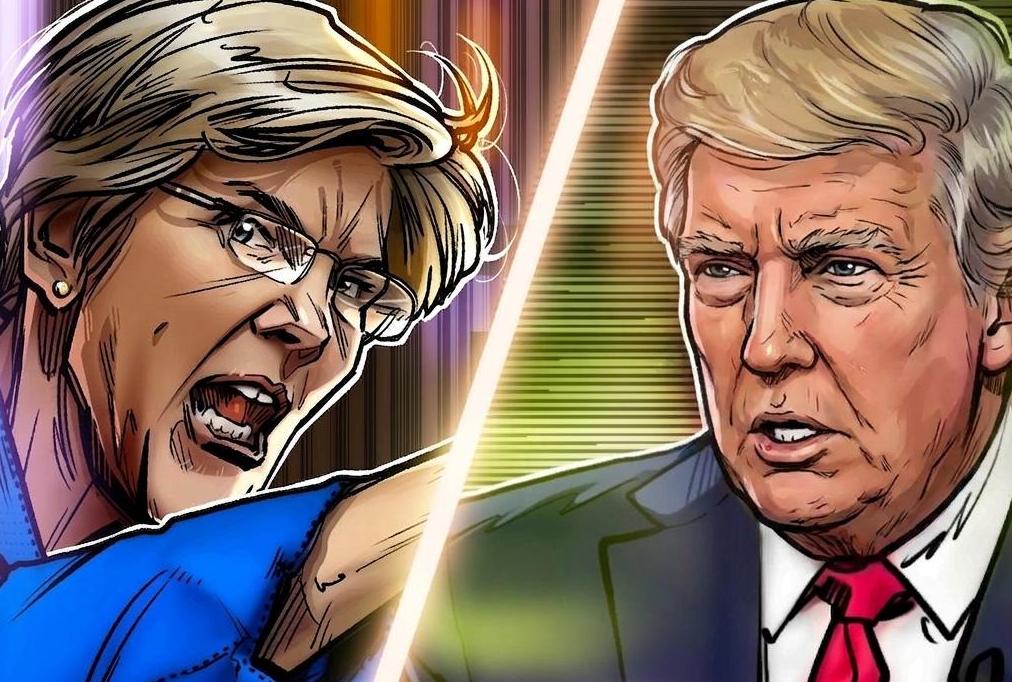
The landscape of American politics is undergoing a seismic shift as digital assets transition from a niche technological experiment to a central pillar of national economic discourse. At the heart of this transition is a growing tension between the regulatory ambitions of the U.S. Senate and the financial disclosures of political figures. The latest flashpoint in this struggle involves Senator Elizabeth Warren, a long-time skeptic of the cryptocurrency industry, and former President Donald Trump, whose recent financial disclosures have sent shockwaves through both Wall Street and Capitol Hill.
Following a staggering disclosure indicating holdings or earnings tied to crypto-assets totaling approximately $1.4 billion, Senator Warren has formally requested detailed reporting for 2026. This move comes at a critical juncture, as the Senate is poised to vote on pivotal cryptocurrency legislation that could redefine the legal status of digital assets in the United States. The clash highlights a deeper systemic question: can the architects of crypto regulation be the same individuals who profit immensely from the assets they oversee?
Decoding the $1.4 Billion Disclosure
The catalyst for Senator Warren's inquiry is a financial disclosure that revealed an unprecedented sum—$1.4 billion—linked to Donald Trump's crypto-related ventures. While the exact nature of these assets (whether they are direct coin holdings, NFT royalties, or equity in crypto-adjacent platforms) has been a subject of debate, the sheer magnitude of the figure represents a paradigm shift. For years, Trump remained outwardly critical of Bitcoin; however, his recent pivot toward pro-crypto rhetoric has coincided with these massive financial ties.
From a journalistic perspective, this disclosure is more than just a number; it is a signal of the "institutionalization" of crypto. When political figures begin holding billions in digital assets, the volatility of the market is no longer just a risk for retail investors—it becomes a matter of national security and political stability. Senator Warren's request for 2026 reporting is designed to create a transparent paper trail, ensuring that any gains realized between January and July are meticulously documented before the 2027 deadline.
The Timing: Legislative Pressure and the Crypto Bill
The timing of Warren's demand is far from coincidental. The Senate is currently on the precipice of voting on a comprehensive crypto bill. This legislation aims to clarify the jurisdictional boundaries between the Securities and Exchange Commission (SEC) and the Commodity Futures Trading Commission (CFTC), potentially easing the "regulation by enforcement" approach that has characterized the current era.
By pushing for financial transparency now, Warren is effectively challenging the ethical standing of pro-crypto advocates within the government. If legislation is passed that causes a massive surge in asset prices, any official with undisclosed or under-reported holdings could be accused of insider trading or conflict of interest. Warren is leveraging the legislative window to demand a level of transparency that has historically been avoided by high-ranking political figures.
The Regulatory Conflict: SEC vs. CFTC and the Political Stakes
To understand why this reporting request matters, one must understand the current regulatory deadlock. For years, the SEC has argued that most cryptocurrencies are securities, while the industry argues they are commodities. The upcoming Senate bill seeks to resolve this. However, the introduction of a $1.4 billion personal stake by a political heavyweight complicates the narrative.
If the U.S. moves toward a more permissive regulatory environment, the valuation of crypto-assets will likely soar. Senator Warren’s insistence on reporting for 2026 serves as a hedge against potential corruption. Her goal is to ensure that the public can see exactly who benefited from specific legislative shifts. In the world of crypto-journalism, this is often referred to as the "transparency gap"—the space between what politicians say in public and how they trade in private.
What This Means for the Future of Crypto in the U.S.
The confrontation between Senator Warren and the Trump camp is a microcosm of the broader battle for the soul of digital finance. On one side is the push for total decentralization and a "wild west" approach to growth; on the other is a demand for stringent oversight, KYC (Know Your Customer) compliance, and traditional financial auditing.
If Warren's request for 2026 reporting is granted and the data is made public, it could set a precedent for all members of Congress. It may lead to the adoption of stricter financial disclosure rules specifically tailored for digital assets, moving beyond the antiquated reporting systems that struggle to account for the volatility and complexity of DeFi (Decentralized Finance) and NFTs.
Conclusion: A New Era of Accountability
The request for 2026 reporting following a $1.4 billion disclosure is not merely a political maneuver; it is a demand for accountability in an era of unprecedented financial innovation. As the Senate prepares to vote on legislation that will dictate the trajectory of the crypto market for the next decade, the intersection of personal wealth and public policy has never been more scrutinized.
Whether this leads to a more transparent government or further political polarization remains to be seen. However, one thing is certain: the days of cryptocurrency operating in the shadows of political finance are over. The "crypto-winter" may have thawed, but a new storm of regulatory and ethical scrutiny is just beginning.