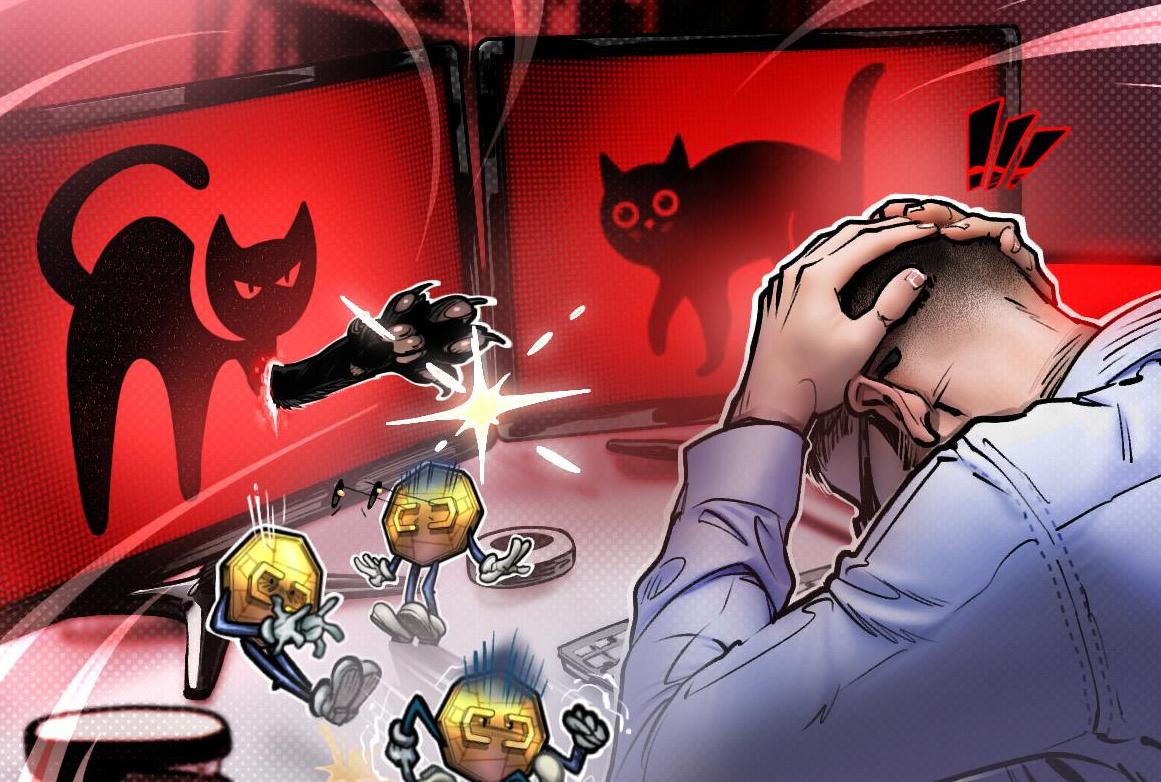

Kaspersky Identifies Sophisticated Malware Framework Targeting Crypto Investors
In an era where decentralized finance (DeFi) and digital asset ownership are skyrocketing, the appetite for cybercrime has evolved in tandem. Kaspersky, the global leader in cybersecurity, has recently uncovered a sophisticated new malware framework specifically engineered to drain the wallets of cryptocurrency investors. This discovery highlights a dangerous shift in attacker methodology, moving away from simple phishing links toward high-level social engineering and the corruption of trusted developer platforms.
The framework does not rely on a single piece of code but rather a modular system designed to bypass modern security protocols, steal private keys, and compromise seed phrases. By leveraging the trust users place in open-source communities, the attackers have managed to infiltrate the very tools investors use to manage their portfolios.
The Mechanics of the Attack: Trojanized GitHub Apps
One of the most alarming aspects of this campaign is the use of "trojanized" applications hosted on GitHub. For many crypto traders and developers, GitHub is a sanctuary of transparency and open-source reliability. However, the threat actors identified by Kaspersky have exploited this trust by uploading seemingly legitimate software tools—such as portfolio trackers, trading bots, or wallet management utilities—that contain hidden malicious payloads.
When a user downloads and executes these apps, the malware initiates a multi-stage infection process. Initially, the software may function as advertised to avoid immediate detection by the user. Meanwhile, in the background, the framework establishes a connection with a Command-and-Control (C2) server, allowing the attackers to deploy specialized modules based on the victim's operating system and the types of wallets installed on the machine.
Social Engineering: The Psychological Hook
Technology is only half the battle; the attackers are also utilizing advanced social engineering to lure victims into the trap. Rather than sending generic spam emails, these actors often engage in targeted campaigns. This may include posing as helpful community members in Discord servers, Telegram groups, or Twitter (X) threads dedicated to specific altcoins or NFT projects.
By offering "exclusive" alpha leaks, "beta access" to a new trading tool, or "urgent" security updates for a popular wallet, the attackers create a sense of urgency and exclusivity. This psychological manipulation lowers the victim's guard, making them more likely to ignore security warnings when installing the compromised GitHub software.
How the Malware Steals Assets
Once the framework has successfully breached a system, its primary goal is the extraction of "secrets." The malware employs several techniques to achieve this:
1. Credential Harvesting: The framework scans the local storage for wallet.dat files, browser cookies, and local storage folders associated with browser-based wallets like MetaMask and Phantom.
2. Keylogging and Screen Scraping: To bypass 2FA or capture passwords, the malware can record keystrokes and take periodic screenshots of the desktop, capturing seed phrases as they are typed or viewed.
3. Clipboard Hijacking: A classic but effective tactic included in this framework is the "clipper" function. The malware monitors the system clipboard for strings that match cryptocurrency wallet addresses. When a user copies an address to send funds, the malware instantly replaces it with the attacker's address, leading the user to send their funds directly to the criminal.
The Broader Impact on the Crypto Ecosystem
This discovery by Kaspersky underscores a critical vulnerability in the crypto space: the reliance on client-side security. While the blockchain itself is immutable and secure, the "last mile"—the device where the private key is stored—remains the weakest link.
The use of GitHub as a distribution vector is particularly damaging because it erodes the trust within the developer community. If users can no longer trust open-source repositories, the speed of innovation in DeFi could slow down as developers and investors become overly cautious or migrate to closed-source, proprietary environments that lack the transparency of the original ethos of crypto.
How to Protect Your Digital Assets
Given the sophistication of this framework, standard antivirus software may not always be sufficient. Kaspersky and other security experts recommend a multi-layered defense strategy:
Use Hardware Wallets: The most effective defense against this type of malware is a hardware wallet (like Ledger or Trezor). Since private keys never leave the physical device, malware on a PC cannot "steal" the key, even if the computer is fully compromised.
Verify Software Integrity: Never download software from an unofficial GitHub repository. Always check the number of stars, the activity of the contributors, and look for community verification before running any executable file (.exe or .dmg).
Practice Strict Wallet Hygiene: Avoid storing seed phrases in digital formats—such as Notepad, emails, or screenshots. Use a physical backup method, and never enter your seed phrase into any app or website unless you are performing a legitimate recovery on a trusted device.
Monitor Transactions: Always double-check the destination address in your wallet after clicking "send" but before confirming the transaction. This helps mitigate the risk of clipboard hijacking.
Conclusion
The malware framework identified by Kaspersky is a wake-up call for the cryptocurrency community. As attackers move away from simple scams toward professional-grade software engineering, investors must evolve their security habits. In the world of crypto, the mantra "Not your keys, not your coins" is vital, but in the age of advanced malware, it should be expanded to: "Not your security, not your coins."