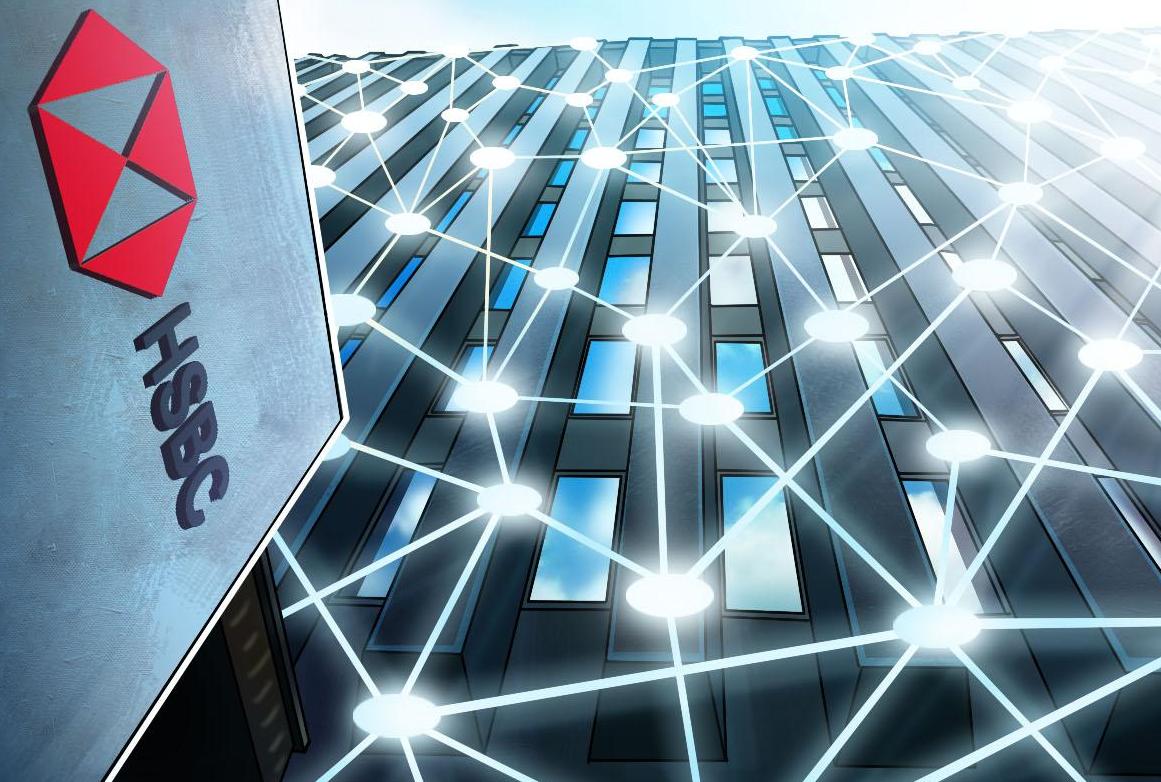

The global financial landscape is on the cusp of a seismic shift as traditional banking giants and central regulators converge to redefine the nature of ownership and exchange. In a landmark move for the institutional adoption of blockchain technology, the Bank of England (BoE) has officially approved HSBC Orion to go live within its Digital Securities Sandbox (DSS). This regulatory green light marks a critical milestone in the transition from legacy financial systems to a tokenized future, with the first Digital Gilt Instrument transaction slated for the first quarter of 2027.
Understanding the Digital Securities Sandbox (DSS)
To appreciate the scale of this development, one must first understand the Digital Securities Sandbox. The DSS is a regulatory environment designed by the Bank of England and the Financial Conduct Authority (FCA) to allow firms to test Distributed Ledger Technology (DLT) in a real-world setting without the immediate burden of full regulatory compliance for every iterative step. It acts as a "safe space" where the legal and operational hurdles of tokenization can be solved collaboratively.
By entering the DSS, HSBC Orion—the bank's specialized blockchain platform—can experiment with the issuance, trading, and settlement of digital securities. This allows the bank to identify potential systemic risks and refine the efficiency of "atomic settlement" (the instantaneous exchange of assets for payment), which eliminates the traditional multi-day waiting periods seen in current T+2 settlement cycles.
The Road to 2027: Tokenizing UK Gilts
The center-piece of this initiative is the tokenization of UK Gilts (government bonds). The announcement that the first Digital Gilt transaction is expected in Q1 2027 provides a clear timeline for when the UK government's debt instruments will migrate onto a blockchain.
Tokenizing Gilts is not merely a technical upgrade; it is a strategic evolution. Currently, the trading of government bonds involves a complex web of intermediaries, custodians, and clearinghouses. By converting these instruments into digital tokens on a DLT platform, HSBC and the BoE aim to achieve:
- Reduced Counterparty Risk: Real-time settlement removes the risk that one party will default during the settlement window.
- Increased Liquidity: Tokenization allows for "fractionalization," meaning high-value bonds can be split into smaller, more accessible units.
- Operational Efficiency: Smart contracts can automate coupon payments and maturity redemptions, drastically reducing the need for manual administrative overhead.
HSBC Orion: The Engine of Institutional DeFi
HSBC Orion is not a newcomer to the blockchain space. Developed as a dedicated platform for the issuance and lifecycle management of digital assets, Orion is designed to bridge the gap between the "Wild West" of public cryptocurrencies and the stringent requirements of institutional finance. Unlike public blockchains, Orion focuses on permissioned environments where identity (KYC) and regulatory compliance are baked into the protocol.
By integrating Orion into the Bank of England's sandbox, HSBC is positioning itself as the primary gateway for institutional investors to enter the digital asset ecosystem. This move signals that HSBC is no longer just "exploring" blockchain but is actively building the infrastructure to replace legacy databases with distributed ledgers.
The Broader Implications for Global Finance
The approval of HSBC's entry into the DSS is a bellwether for other global systemic banks. When a Tier-1 institution like HSBC gains the blessing of a central bank like the BoE, it validates the premise that DLT is the inevitable future of capital markets. This trend is mirroring movements seen in the US and Asia, where the "Tokenization of Everything" (RWA - Real World Assets) has become a dominant theme for 2024 and beyond.
Furthermore, this development paves the way for the eventual integration of Central Bank Digital Currencies (CBDCs). For a Digital Gilt to be traded and settled efficiently, the payment leg of the transaction will likely eventually move from traditional fiat to a "wholesale CBDC." This would create a closed-loop, fully digital financial system where both the asset (the Gilt) and the payment (the currency) exist on a ledger.
Challenges and the Path Forward
Despite the optimism, the road to 2027 is not without hurdles. The primary challenge remains interoperability. For tokenized securities to truly thrive, the platform used by HSBC must be able to communicate with other banks, central banks, and potentially public blockchains.
Additionally, the legal framework surrounding "digital ownership" is still evolving. The DSS is specifically designed to help the Bank of England write the new rules of the game, ensuring that a digital token is legally recognized as the same ownership right as a paper certificate or a legacy electronic entry.
Conclusion
HSBC's entry into the Bank of England's Digital Securities Sandbox is more than just a corporate achievement; it is a blueprint for the modernization of global finance. As we look toward the first Digital Gilt transaction in 2027, the industry is witnessing the slow but steady erasure of the line between "traditional finance" (TradFi) and "decentralized finance" (DeFi).
For investors and market participants, this move underscores a critical reality: the infrastructure of the global economy is being rewritten. The transition to tokenized securities promises a future of unprecedented speed, transparency, and efficiency, marking the beginning of the end for the legacy systems that have governed finance for decades.