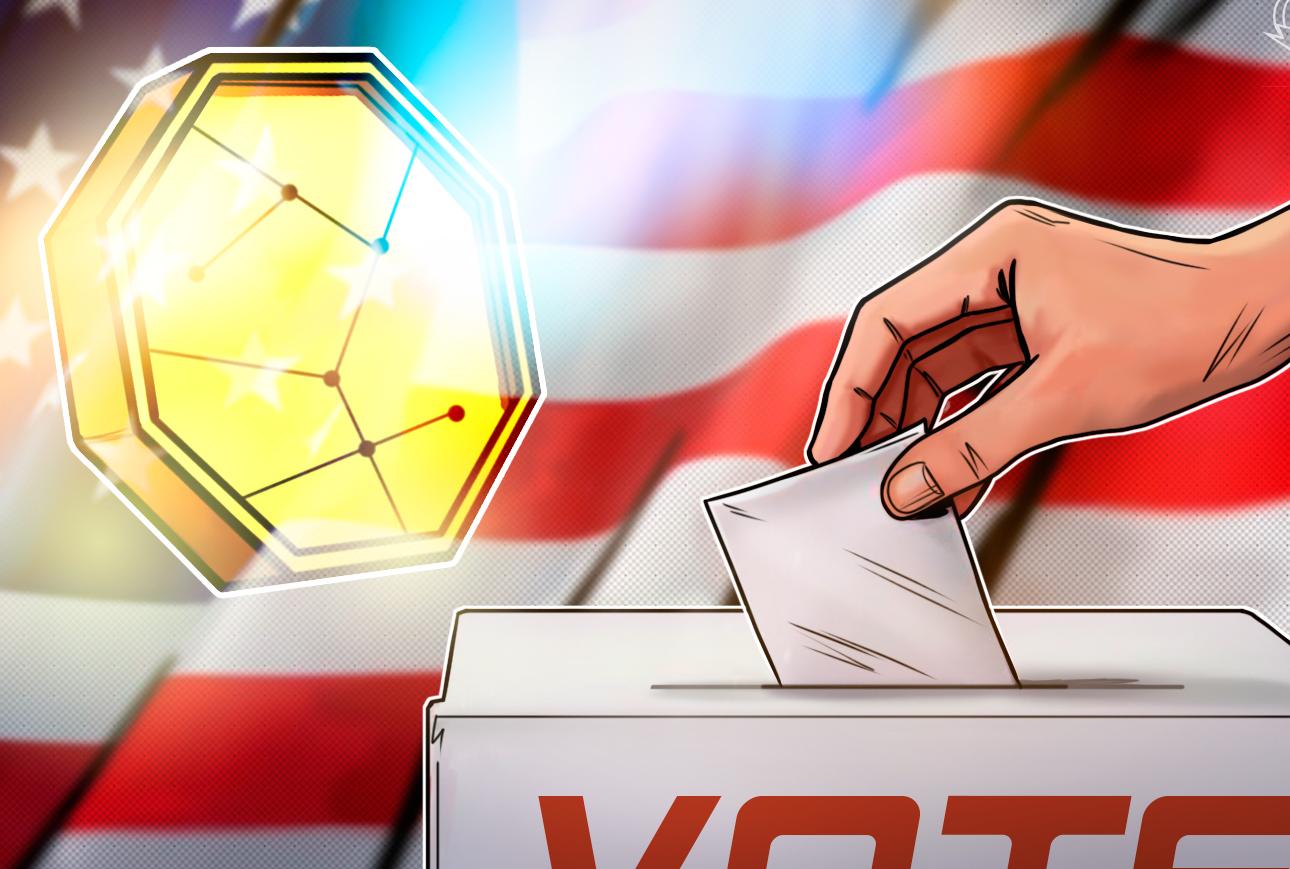

The intersection of decentralized finance and traditional political campaigning has reached a fever pitch. In a move that signals the growing financial muscle of the digital asset industry, a high-profile cryptocurrency Political Action Committee (PAC) has injected $1 million into a high-stakes Democratic primary race in Michigan. This strategic financial surge is not merely a donation but a calculated attempt to shift the regulatory landscape of the United States from the ground up.
The battleground is a Michigan Democratic primary, where challenger Donavan McKinney is squaring off against the incumbent, Shri Thanedar. As the funding pours in, the rhetoric has sharpened, turning a local race into a national case study on how "Crypto Money" is attempting to purchase a seat at the legislative table.
The Strategic Play: Why Michigan?
To the casual observer, a single primary race in Michigan might seem like a small target for a million-dollar spend. However, for crypto PACs, this is about creating "crypto-friendly" precedents. By backing candidates who align with the industry's vision of deregulation, light-touch oversight, and the integration of blockchain into government infrastructure, the industry is building a coalition of legislators who owe their victory to the digital asset lobby.
The digital asset space has long struggled with a "perception problem" in Washington, often being viewed by Democratic incumbents as speculative bubbles or vehicles for illicit activity. By intervening in Democratic primaries, crypto advocates are attempting to pivot the narrative, positioning blockchain technology as a tool for financial inclusion and economic modernization rather than a tool for volatility.
McKinney vs. Thanedar: The Clash of Narratives
The tension in this race has been exacerbated by the sheer volume of PAC-funded advertising. Donavan McKinney has not shied away from attacking the source of his opponent's support. In a series of pointed statements, McKinney claimed that “the crypto lobby is paying my opponent back for helping Trump,” suggesting that the funding is a quid pro quo for previous political alignments or a strategic hedge by the industry to ensure they have allies on both sides of the aisle.
The accusation highlights a growing trend in U.S. politics: the "bi-partisan" approach of crypto lobbying. While the industry has historically aligned with libertarian or conservative viewpoints on regulation, the current strategy involves infiltrating the Democratic party to ensure that regardless of who holds the White House or Congress, the "crypto-friendly" voice remains audible. For McKinney, this represents an outside influence attempting to buy a local election; for the PACs, it is an investment in a more favorable regulatory future.
The Broader Implications for Crypto Regulation
This $1 million injection is a symptom of a larger trend. We are witnessing the "professionalization" of crypto lobbying. For years, the industry relied on grassroots enthusiasm and a few key allies in Congress. Now, with the rise of massive ETFs and the institutionalization of Bitcoin, the industry has the capital to behave like Big Oil or Big Pharma.
The core issues at stake in these political battles include:
- SEC Oversight: The industry is fighting against the "regulation by enforcement" approach currently favored by the SEC.
- Taxation: Pushing for clearer, more favorable tax treatments for long-term holders and DeFi participants.
- Custody Laws: Seeking laws that allow institutional investors to hold digital assets with more flexibility.
When a PAC spends a million dollars on a single race, they aren't just buying airtime; they are buying access. This ensures that when the next major crypto bill hits the floor, the representatives in question will have a direct line of communication with the industry's most powerful stakeholders.
Is "Crypto Money" Changing the Democratic Party?
The Democratic party has traditionally been the bastion of consumer protection and strict financial regulation. However, the influx of crypto capital is creating a schism. On one side, there are traditionalists who view crypto as an existential threat to the stability of the dollar and the environment. On the other, a new wing of "Techno-Democrats" sees blockchain as a way to democratize finance and remove the "middleman" of traditional banking.
The Michigan race serves as a litmus test. If a candidate heavily funded by crypto interests can defeat a traditional incumbent, it could signal to other candidates that pivoting toward "pro-crypto" stances is a viable path to victory and funding.
Conclusion: The New Political Frontier
The $1 million pour into the Michigan primary is a loud declaration that the crypto industry is no longer waiting for permission to enter the political arena. By leveraging their immense wealth, PACs are actively sculpting the political landscape to mirror their interests.
Whether this leads to a more innovative, digitally-integrated government or simply a new era of corporate capture remains to be seen. However, one thing is certain: the "crypto lobby" is now a formidable force in American politics, and the ripples of the Michigan primary will likely be felt across the entire legislative spectrum as the U.S. moves closer to a definitive regulatory framework for the digital age.