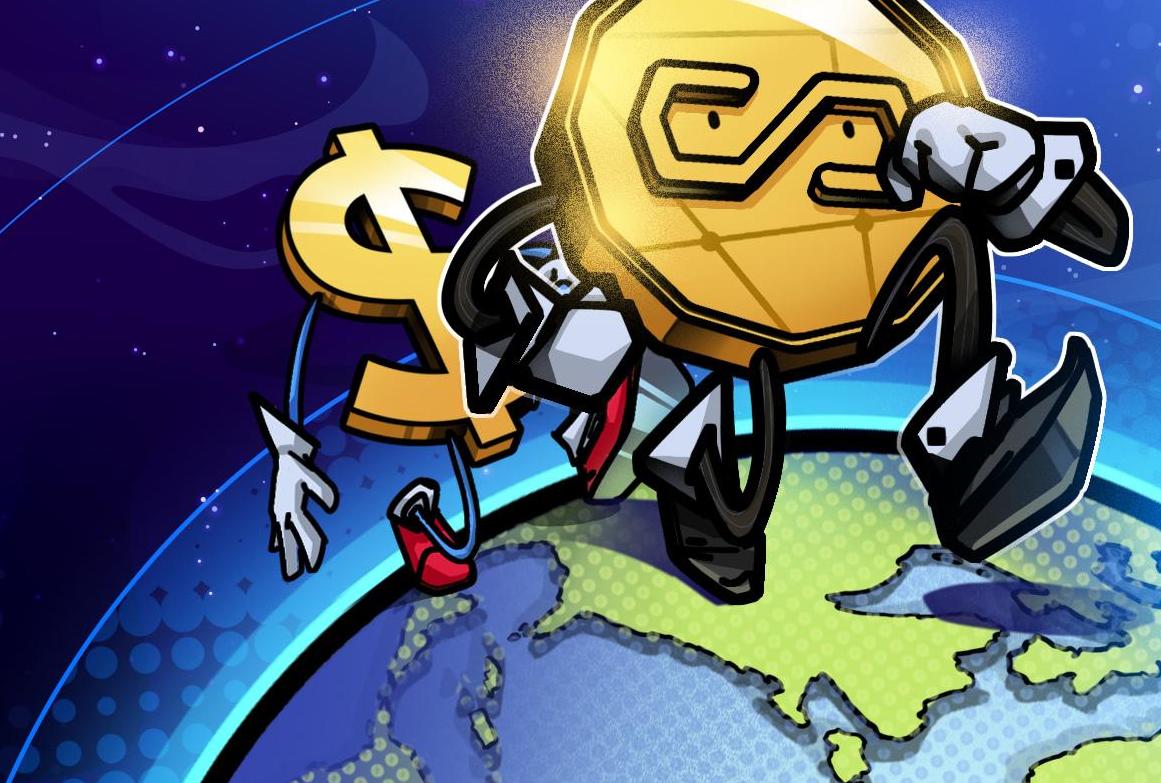
Crypto Biz: When dollars disappear, stablecoins step in
In the volatile theatre of global finance, the US dollar has long been the undisputed protagonist. However, as geopolitical tensions rise and central bank reserves fluctuate, a quiet revolution is taking place in the shadows of traditional banking. In nations grappling with severe liquidity crises and "dollar droughts," a new digital lifeline is emerging: stablecoins. From the highlands of Bolivia to the trading hubs of Southeast Asia, the narrative is shifting. When the greenback disappears from local exchanges, stablecoins—specifically USDT—step in to fill the void.

The Bolivian Pivot: A Case Study in Necessity
Bolivia provides a compelling blueprint for how systemic failures in traditional finance accelerate crypto adoption. For months, the country has struggled with a critical shortage of US dollars, leading to a thriving black market where the exchange rate deviates wildly from official government figures. For businesses and citizens, the inability to access USD means a halt in imports, frozen international payments, and a general economic stagnation.
In a strategic pivot, Bolivian authorities and commercial entities are increasingly recognizing the utility of Tether (USDT). Unlike volatile assets like Bitcoin, USDT is pegged 1:1 to the US dollar, offering the stability of the greenback without the need for physical banknotes or the permission of a restrictive banking system. By integrating stablecoins into their operational frameworks, Bolivian traders can bypass the bottlenecks of the traditional banking sector, ensuring that cross-border commerce continues even when the central bank's vaults are empty.
The Mechanics of the "Digital Dollar" Bridge
To understand why stablecoins are the preferred tool in these crises, one must look at the friction inherent in traditional remittances. A standard cross-border wire transfer involves multiple intermediary banks, high fees, and days of waiting. In a dollar-starved economy, these delays are not just inconveniences; they are risks. A payment sent today might be rejected tomorrow due to new liquidity restrictions.
Stablecoins eliminate this friction. By utilizing blockchain networks like Tron or Ethereum, users can move value globally in seconds. This "programmable money" allows for atomic settlements, meaning the exchange of assets happens simultaneously. For a merchant in La Paz or a freelancer in Lagos, the ability to hold a digital representation of the dollar provides a hedge against local currency devaluation and a reliable medium for international trade.
The Paradox of Trust: Centralization vs. Decentralization
However, the rise of stablecoins is not without its controversies. The reliance on USDT (Tether) highlights a paradoxical trend in the crypto world: the move toward decentralization is being led by a highly centralized entity. Critics have long questioned the transparency of Tether’s reserves, arguing that the stability of the "digital dollar" relies on the trust in a single company's balance sheet.
This has paved the way for the rise of algorithmic stablecoins and decentralized alternatives (like DAI), which aim to provide price stability without a central custodian. Yet, for the average user in a dollar-starved economy, "liquidity is king." The deep markets and wide acceptance of USDT currently outweigh the ideological preference for decentralization. The immediate need for a functional currency overrides the long-term concern over reserve transparency.
Diversification Dilemmas: Bitcoin Miners and the AI Pivot
While stablecoins solve the problem of liquidity, another sector of the crypto industry is struggling with the problem of identity. Bitcoin miners, once the pure-play infrastructure providers of the blockchain, are increasingly pivoting toward Artificial Intelligence (AI) computing. The logic is simple: the high-performance computing (HPC) power required for AI training shares similar hardware requirements with crypto mining.
However, this transition is facing fresh investor scrutiny. Wall Street is beginning to ask whether miners are truly evolving into AI powerhouses or simply "AI-washing" their business models to inflate stock prices during the current tech bubble. Investors are demanding a clear distinction between "mining revenue" and "AI compute revenue." The risk for these companies is a loss of core identity; by trying to be everything to everyone, they risk losing the specialized efficiency that made them successful in the Bitcoin ecosystem.
The Road Ahead: A Hybrid Financial Future
The convergence of these two trends—the adoption of stablecoins in failing economies and the industrial evolution of miners—points toward a broader synthesis. We are entering an era of "Hybrid Finance," where the boundaries between sovereign currency, digital assets, and computational power are blurring.
As more nations recognize that the traditional dollar-based system is susceptible to geopolitical weaponization and liquidity shocks, the demand for stablecoins will only grow. This will likely force regulators in developed nations to accelerate the creation of Central Bank Digital Currencies (CBDCs) to maintain control over the monetary rails.
Ultimately, the story of stablecoins in Bolivia is a canary in the coal mine. It signals a world where the "reserve currency" is no longer just a piece of paper held in a vault, but a line of code on a ledger. When the dollars disappear, the digital alternative doesn't just step in—it builds a new foundation for global trade.