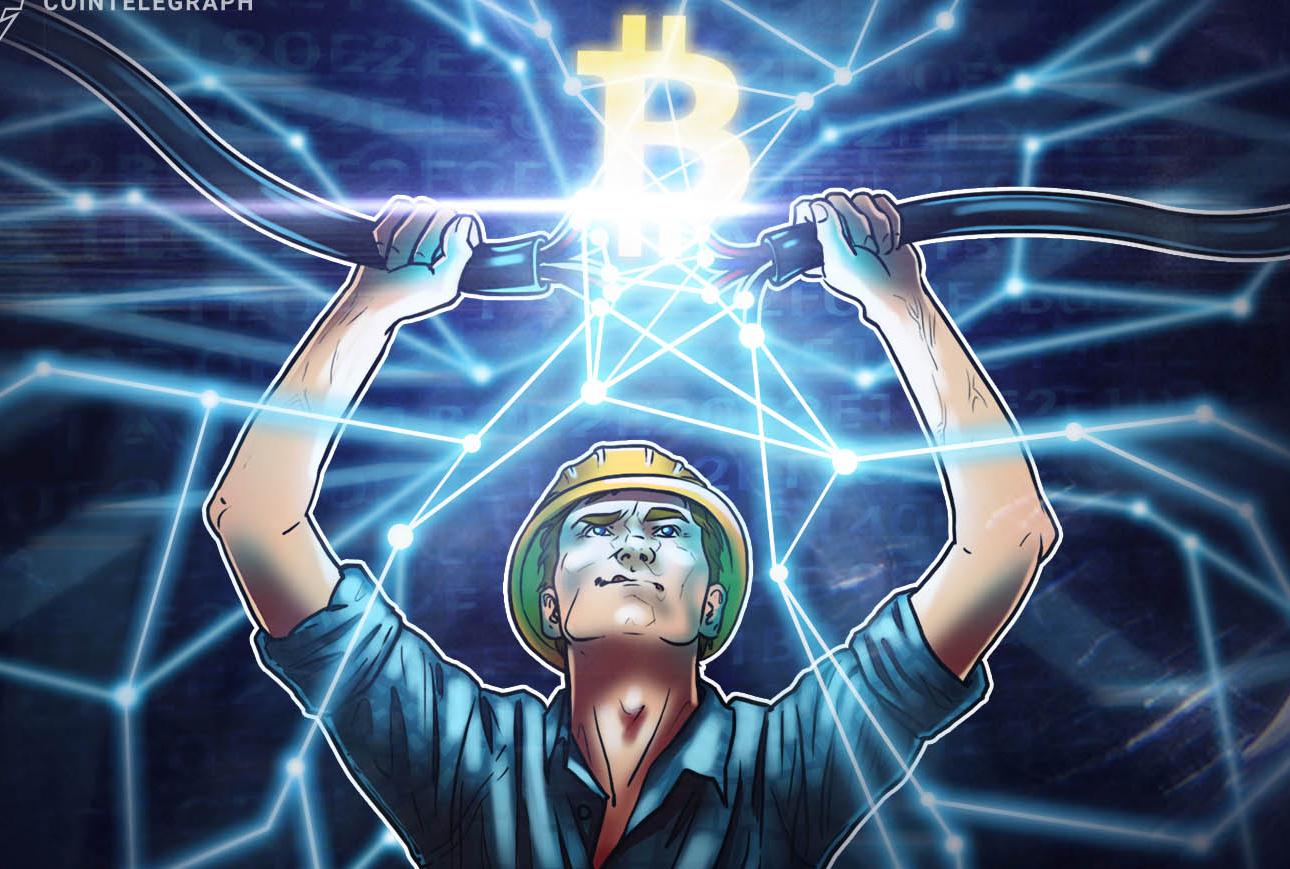

The intersection of blockchain infrastructure and Artificial Intelligence (AI) is creating an unexpected synergy in the global energy market. According to a recent analysis by Bernstein, the Bitcoin mining sector is poised to play a pivotal role in solving the mounting "power crunch" facing AI data centers. As the demand for high-performance computing (HPC) skyrockets, Bernstein suggests that strategic deals between AI firms and Bitcoin miners could be the key to scaling the next generation of intelligence.
The Convergence of Two Computational Giants
For years, Bitcoin mining and AI training were viewed as disparate entities—one focused on securing a decentralized ledger through Proof-of-Work (PoW), and the other on processing massive datasets to simulate human cognition. However, they share a fundamental requirement: immense amounts of electrical power and specialized hardware cooling.
The AI revolution, led by Large Language Models (LLMs) like GPT-4 and Gemini, has placed an unprecedented strain on the global power grid. Data centers are struggling to find enough megawatts to keep up with the training requirements of these models. This is where Bitcoin miners enter the equation. Mining operations often possess "power plays"—long-term agreements, dedicated substations, and direct access to energy grids that are far more robust than what a typical corporate office or small-scale data center can secure quickly.
Why AI Data Centers Need Bitcoin Mining Infrastructure
The primary bottleneck for AI growth today isn't just the availability of H100 chips; it is the availability of power. Setting up a new utility-scale power connection can take years of bureaucratic approvals and infrastructure construction. Bitcoin miners, however, have already spent the last decade scouting and securing "stranded" energy sources—remote areas with cheap wind, solar, or hydroelectric power that aren't connected to major population centers.
Bernstein analysts argue that AI companies can bypass the lengthy wait times for new power permits by partnering with, or acquiring, Bitcoin mining sites. By converting these facilities into HPC centers, AI firms can gain immediate access to the electricity required to run massive GPU clusters. This transition transforms a "mining farm" into a "compute hub," leveraging existing electrical infrastructure to accelerate AI deployment.
The Pivot: From Hashrate to Compute
This shift is already beginning to materialize in the market. Several publicly traded mining companies have started diversifying their business models, shifting from pure-play Bitcoin mining to "diversified compute." By integrating High-Performance Computing (HPC) into their portfolios, these companies can create a hedge against Bitcoin's volatility. When the network difficulty rises or the price of BTC dips, the steady cash flow from AI hosting contracts provides a financial safety net.
Furthermore, the cooling infrastructure required for Bitcoin ASICs (Application-Specific Integrated Circuits) is remarkably similar to that required for AI GPUs. Both require advanced thermal management to prevent overheating. The expertise that miners have developed in managing massive heat loads at scale is an invaluable asset for AI firms looking to build sustainable, efficient data centers.
The Bull Case for Bitcoin Miners
From an investment perspective, Bernstein remains bullish on the sector. The narrative is shifting: Bitcoin miners are no longer just "betting on the price of BTC," but are instead becoming "critical infrastructure providers for the AI era."
This evolution potentially re-rates the valuation of mining stocks. If the market begins to view these companies as essential real estate and energy plays rather than speculative crypto assets, we could see a significant increase in their Price-to-Earnings (P/E) ratios. The ability to pivot between mining Bitcoin and hosting AI workloads allows these firms to optimize for whichever activity offers the highest return on energy (ROE) at any given moment.
Potential Challenges and the Road Ahead
Despite the optimism, the transition is not without hurdles. Converting a Bitcoin mine to an AI data center requires significant capital expenditure (CapEx). While the power is there, the physical environment—such as flooring, fiber optic connectivity, and security—must be upgraded to meet the rigorous standards of corporate AI clients.
Additionally, there is the challenge of "energy poaching." If too many miners pivot to AI, the total hashrate of the Bitcoin network could theoretically fluctuate, though the global nature of mining makes a total collapse unlikely. More likely, we will see a tiered system where the most energy-efficient sites host AI, while others continue to secure the blockchain.
Final Thoughts: A Symbiotic Future
The synergy between Bitcoin mining and AI represents a pragmatic evolution of the digital economy. By utilizing the energy footprints established by the crypto industry, AI can scale faster, and Bitcoin miners can diversify their revenue streams.
As Bernstein highlights, the "power crunch" is the single biggest threat to AI's exponential growth. By bridging the gap between decentralized energy infrastructure and centralized AI ambition, the crypto sector is proving that it is not just a financial experiment, but a foundational layer of the modern industrial complex.