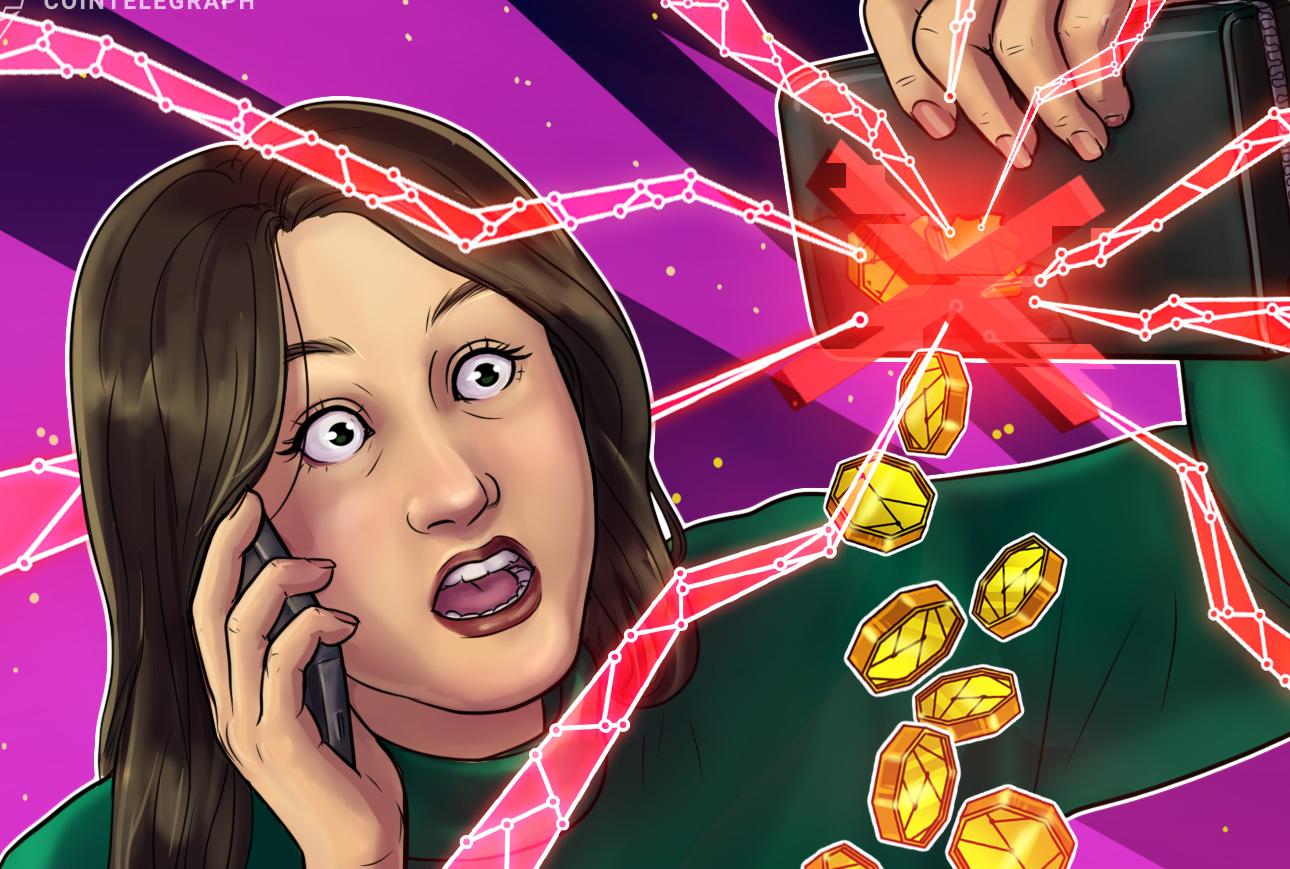
SecondFi to Wind Down After $2.6M ADA Theft Linked to Wallet Flaw
The decentralized finance (DeFi) landscape is no stranger to volatility and vulnerability, but the latest blow comes from SecondFi, a platform designed to optimize yields for Cardano (ADA) holders. In a devastating turn of events, SecondFi has announced its intention to wind down operations following a security breach that resulted in the theft of approximately $2.6 million in ADA. The incident, which has left users in a state of limbo, highlights the persistent risks associated with smart contract vulnerabilities and wallet management in the burgeoning ecosystem of the Cardano blockchain.

The exploit was not the result of a traditional phishing attack or a social engineering scheme, but rather a fundamental flaw within the wallet architecture utilized by the platform. According to technical post-mortems, the vulnerability allowed an unauthorized actor to bypass security protocols and drain assets from the protocol's liquidity pools. For a platform that marketed itself as a secure hub for ADA staking and yield farming, the breach has dealt a fatal blow to user trust and operational viability.
The Anatomy of the Exploit: A Costly Wallet Flaw
While the full technical details of the exploit are still being scrutinized by independent security auditors, the core of the issue lies in a "wallet flaw" that compromised the integrity of the platform's asset management. In DeFi, the security of a protocol is only as strong as its weakest link; in this case, the mechanism responsible for authorizing transactions and managing the vault of ADA was exploited.
The attacker managed to manipulate the contract logic, effectively tricking the system into releasing funds to an external address. The theft of $2.6 million in ADA is a significant blow, not only in terms of the monetary value but also in terms of the total value locked (TVL) that SecondFi had worked to accumulate. When a protocol loses a substantial percentage of its reserves to a bug, the economic model often becomes unsustainable, leading to the inevitable decision to shutter operations.
The Aftermath: Users Left in Limbo
In the immediate wake of the exploit, the SecondFi team promised the community that recovery tools would be developed and deployed. These tools were intended to help users reclaim a portion of their assets or migrate their holdings to a secure environment. Initial communications suggested that these solutions would be available within a matter of weeks.
However, as time has passed, those promises have remained unfulfilled. Many users report a lack of transparency and a growing sense of frustration as the window for recovery narrows. The transition from "recovery mode" to "winding down" indicates that the team may have exhausted its options or lacked the necessary capital to facilitate a full bailout. This trajectory is a cautionary tale for DeFi participants: when a protocol enters a "winding down" phase after a hack, the likelihood of full asset recovery drops precipitously.
The Broader Implications for the Cardano Ecosystem
The collapse of SecondFi is more than just a failure of a single project; it is a reflection of the growing pains within the Cardano DeFi sector. As more liquidity flows into ADA-based protocols, the incentive for attackers to find vulnerabilities increases. The "Cardano Summer" and the rise of various DEXs and yield aggregators have brought a surge of innovation, but they have also exposed a gap in rigorous, third-party security auditing for some of the newer players.
This incident underscores the critical importance of "Audit-First" mentalities. For a protocol to survive in the current climate, it must undergo multiple rounds of stress testing and formal verification. The SecondFi tragedy serves as a reminder that "decentralized" does not mean "risk-free." Users are encouraged to employ diversified storage strategies—such as using hardware wallets and avoiding the practice of locking all assets into a single yield-bearing contract.
SEO Analysis: Navigating the Risks of DeFi Staking
For those searching for information on ADA theft, SecondFi exploit, and Cardano wallet security, the takeaway is clear: diligence is the only defense. The loss of $2.6 million is a stark reminder of the "code is law" mantra in crypto; if the code is flawed, the law favors the attacker.
Investors should look for the following red flags when choosing a DeFi platform:
- Lack of Public Audits: If a platform cannot provide a report from a reputable security firm (like CertiK or OpenZeppelin), the risk is exponentially higher.
- Vague Recovery Timelines: Promises of "weeks" that turn into months are often a sign of technical insolvency.
- Over-reliance on a Single Wallet Architecture: Protocols that do not implement multi-signature (multi-sig) wallets for treasury management are vulnerable to single points of failure.
Conclusion: A Somber Lesson in Digital Custody
SecondFi’s decision to wind down marks a tragic end to a project that aimed to empower ADA holders. While the team may have intended to recover the lost funds, the reality of blockchain immutability often makes theft irreversible. As the platform closes its doors, the community is left to mourn the loss of millions in capital and the erosion of trust in a niche sector of the Cardano ecosystem.
The $2.6 million theft is a high price to pay for a lesson in security, but it is one that the industry must learn. As DeFi continues to evolve, the focus must shift from maximizing yield to maximizing security. Until then, the ghost of SecondFi will serve as a warning to all who seek high returns in the volatile world of on-chain finance.