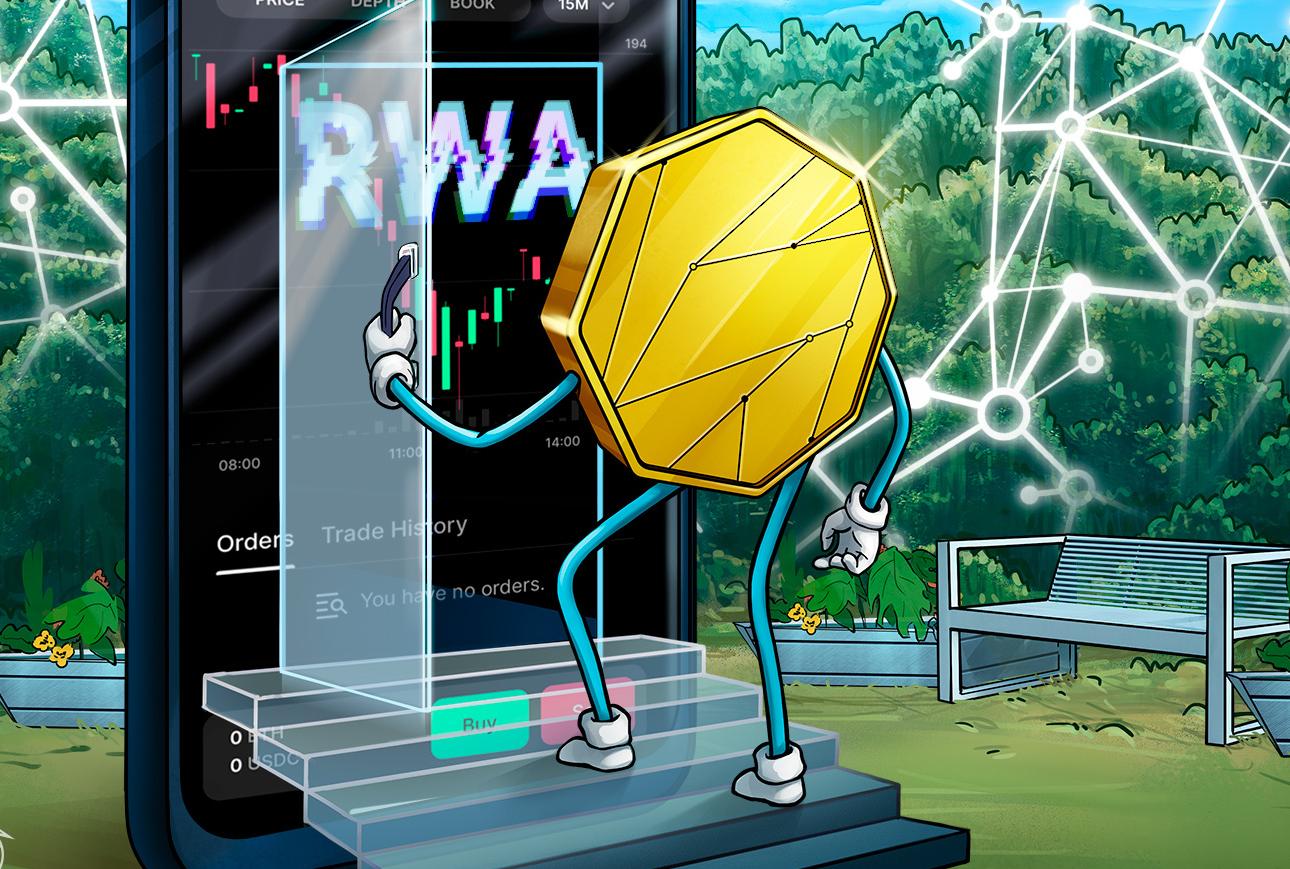

Tokenized Real-World Asset (RWA) trading has officially hit a major milestone, becoming the largest trading category on Hyperliquid for the first time. In a stunning shift in market dynamics, RWAs now account for more than half of the decentralized exchange’s (DEX) weekly trading volume, signaling a profound evolution in how traders interact with on-chain derivatives.
The Shift Toward Real-World Assets on Hyperliquid
For years, the decentralized finance (DeFi) ecosystem was dominated by "crypto-native" assets—primarily Bitcoin, Ethereum, and various altcoins. While these assets provide high volatility and speculative opportunities, the appetite for stability and diversified yield has led to the rise of Real-World Assets (RWAs). RWAs involve the tokenization of physical or traditional financial assets, such as US Treasuries, gold, real estate, and corporate bonds, bringing them onto the blockchain.
Hyperliquid, a high-performance decentralized perpetual exchange, has recently seen a massive surge in volume specifically within this category. The fact that RWAs now represent over 50% of weekly volume suggests that traders are moving away from pure speculation on meme coins and volatile tokens, pivoting instead toward assets with tangible, off-chain value.
Why RWAs are Dominating the Volume
Several factors contribute to the explosive growth of RWA trading on Hyperliquid. First and foremost is the quest for "real yield." In a market where many DeFi protocols rely on inflationary token emissions to attract liquidity, RWAs provide returns backed by actual economic activity—such as the interest earned from US Treasury bills.
Secondly, the institutionalization of DeFi is no longer a future prediction; it is happening in real-time. Institutional traders require instruments that are compliant and linked to traditional financial benchmarks. By providing a seamless way to trade tokenized versions of these assets via a perpetual contract model, Hyperliquid has bridged the gap between the traditional finance (TradFi) world and the efficiency of the blockchain.
Furthermore, the efficiency of Hyperliquid’s own L1 blockchain allows for a trading experience that rivals centralized exchanges (CEXs). With low latency and high throughput, the platform has removed the technical barriers that previously made trading complex RWA derivatives cumbersome for the average user.
The Mechanics of Tokenized RWA Trading
To understand why this shift is significant, one must understand how RWA trading works on a platform like Hyperliquid. Rather than requiring every user to hold a physical deed to a property or a paper bond, tokenization creates a digital representation of that asset. These tokens can then be used as collateral or traded as perpetual futures.
This "synthetic" exposure allows traders to bet on the price movements of traditional assets without the need for a traditional brokerage account or the long settlement times associated with legacy banking. The result is a hyper-efficient market where global liquidity can flow into traditional assets instantaneously, 24/7.
Impact on the Broader DeFi Ecosystem
Hyperliquid’s current trend is a bellwether for the wider crypto industry. When the largest trading category on a leading DEX shifts from speculative tokens to RWAs, it indicates a "maturation" phase of the market. We are seeing a transition from the "Casino Era" of DeFi to the "Utility Era."
This trend is likely to trigger a domino effect. Other DEXs and liquidity protocols will be forced to integrate RWA capabilities to remain competitive. We can expect to see an increase in the variety of tokenized assets—moving beyond simple Treasuries into more complex instruments like carbon credits, private equity, and tokenized commodities.
Risks and Regulatory Considerations
Despite the bullish momentum, the rise of RWAs is not without its challenges. The primary hurdle remains regulation. Because RWAs are tied to legal contracts in the physical world, they fall under the jurisdiction of various national regulators (such as the SEC in the US or ESMA in Europe). Ensuring that tokenized assets remain compliant while maintaining the permissionless nature of DeFi is a delicate balancing act.
Additionally, there is the "oracle risk." Since RWA prices are determined off-chain, Hyperliquid and similar platforms rely on price oracles to feed accurate data to the blockchain. Any discrepancy or manipulation in these data feeds could lead to liquidations or trading imbalances.
Conclusion: A New Era for On-Chain Trading
The fact that RWAs have become Hyperliquid’s largest trading category is a watershed moment. It proves that there is a massive, underserved demand for traditional financial instruments within the decentralized landscape. By combining the transparency and speed of blockchain technology with the stability of real-world assets, Hyperliquid is redefining what a decentralized exchange can be.
As more capital migrates from traditional portfolios to on-chain wallets, the dominance of RWAs is likely to grow. For the average trader, this means more diverse options for hedging and yield generation. For the industry, it is a clear signal: the walls between Wall Street and DeFi are finally crumbling.