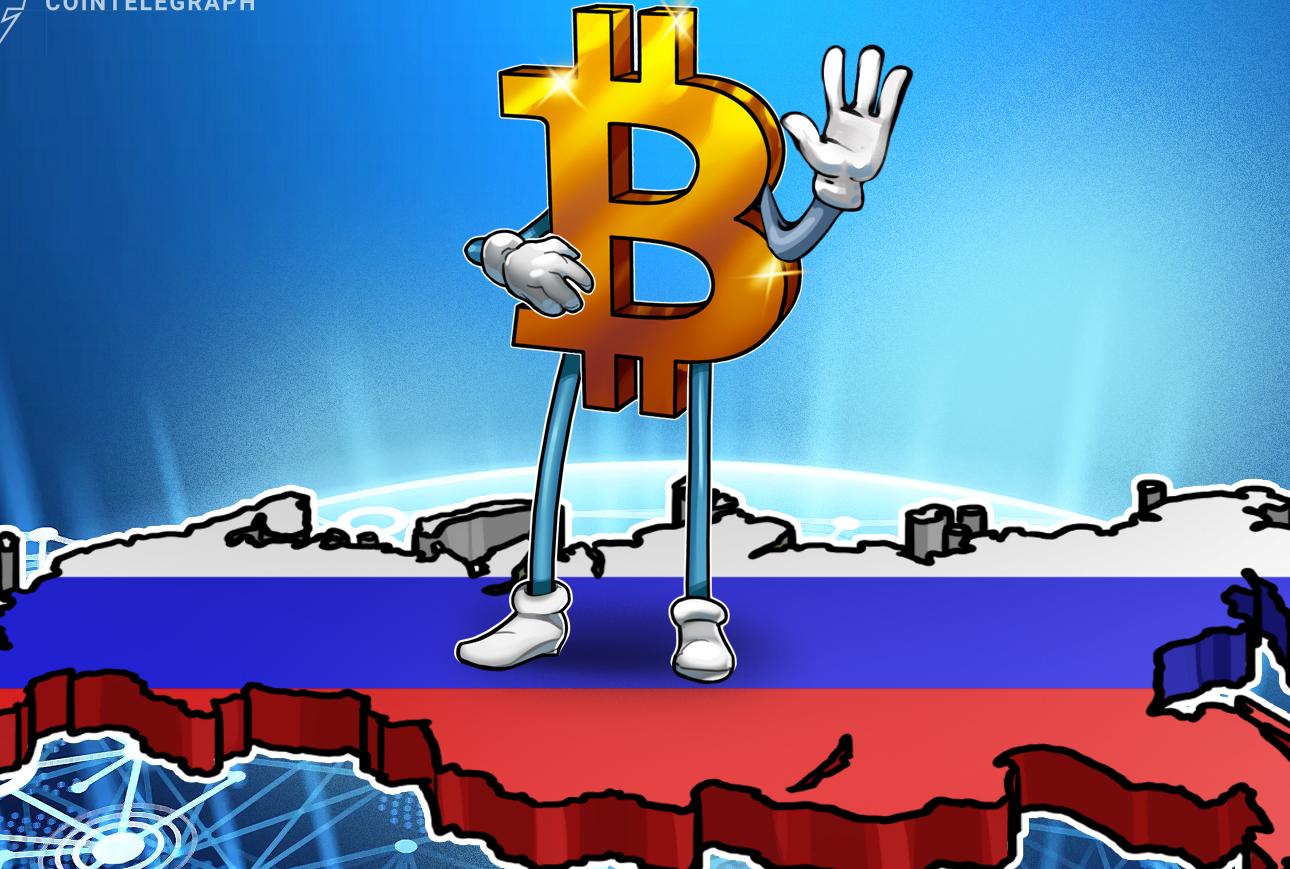

In a decisive move that signals a paradigm shift in its approach to digital finance, the Russian State Duma has officially passed legislation aimed at creating a comprehensive regulated framework for the cryptocurrency market. After years of ambiguity, cautious experimentation, and outright hostility toward digital assets, Moscow is now moving toward a structured legal environment. The bill now awaits the final signature of President Vladimir Putin before it officially becomes law.
This legislative milestone is not merely a local regulatory update; it is a strategic geopolitical maneuver. By bringing crypto assets into a legal fold, Russia aims to balance the need for financial oversight with the desire to leverage blockchain technology for international trade and sanctions evasion.
Decoding the New Regulatory Framework
The newly passed law seeks to eliminate the "grey zone" that has long characterized the Russian crypto landscape. For years, Russians have been among the most active cryptocurrency users globally, yet they operated without clear legal protections or institutional guidelines. The new framework establishes a formal classification for digital assets, distinguishing between "digital currency" and "digital financial assets" (DFAs).
Under the new rules, the State Duma aims to establish clear guidelines for the issuance, circulation, and taxation of cryptocurrencies. Key components of the law include:
- Licensing for Exchanges: Cryptocurrency exchanges and custodians will likely be required to obtain licenses, ensuring they meet specific capital and security requirements.
- Taxation Clarity: The law provides a more transparent path for the taxation of crypto gains, moving away from the sporadic enforcement of the past toward a standardized fiscal model.
- AML/KYC Compliance: To align with global standards (and to prevent illicit flows), the legislation mandates stricter Anti-Money Laundering (AML) and Know Your Customer (KYC) protocols for all market participants.
The Geopolitical Angle: Sanctions and Sovereign Finance
To understand why Russia is pivoting toward crypto regulation now, one must look at the broader geopolitical context. Since 2022, Russia has faced unprecedented sanctions, including its partial removal from the SWIFT international payment system. This has created a desperate need for alternative payment mechanisms to facilitate cross-border trade.
By regulating the crypto market, the Russian government is essentially building a "financial lifeboat." Digital assets—specifically stablecoins and Bitcoin—offer a way to settle international trades without relying on the U.S. dollar or Western-controlled banking infrastructure. The legislation provides the legal cover necessary for Russian companies to engage in crypto-based trade with partners in "friendly" nations, such as China, India, and the UAE.
Impact on Institutional Adoption and Mining
One of the most significant aspects of the new law is the potential for institutional adoption. Until now, Russian banks were largely prohibited from interacting with cryptocurrency. This legislative shift opens the door for financial institutions to offer custodial services or integrate digital assets into their investment portfolios.
Furthermore, the law addresses the burgeoning mining sector. Russia has become one of the world's top cryptocurrency mining hubs due to its abundance of cheap hydroelectric power in regions like Siberia. The new regulations seek to bring this "wild west" industry into the light, requiring miners to register and pay taxes on their energy consumption, thereby turning a fringe activity into a source of state revenue.
Challenges and Risks Ahead
Despite the optimism, the road to full implementation is fraught with challenges. The primary tension lies between the Central Bank of Russia (CBR) and the State Duma. Historically, the CBR, led by Elvira Nabiullina, has been staunchly opposed to cryptocurrencies, citing risks to financial stability and the potential for money laundering.
The success of this law will depend on how the government manages the friction between the CBR's caution and the Duma's desire for innovation. Additionally, the global community—specifically the FATF (Financial Action Task Force)—will be watching closely to see if Russia's regulations are genuine efforts at transparency or simply a facade to bypass international sanctions.
Conclusion: A Strategic Pivot
The passage of the crypto regulation law by the Russian parliament marks a turning point. Russia is no longer treating cryptocurrency as a niche hobby for tech enthusiasts or a tool for illicit activity; it is treating it as a strategic financial instrument.
Once President Putin signs the bill, Russia will join a growing list of nations attempting to harness the efficiency of blockchain while maintaining state control. For the global crypto market, this means a massive economy is officially entering the fold, potentially increasing liquidity and driving the adoption of non-Western payment alternatives. Whether this leads to a flourishing digital economy or a highly surveilled financial system remains to be seen, but the era of crypto ambiguity in Russia is officially over.