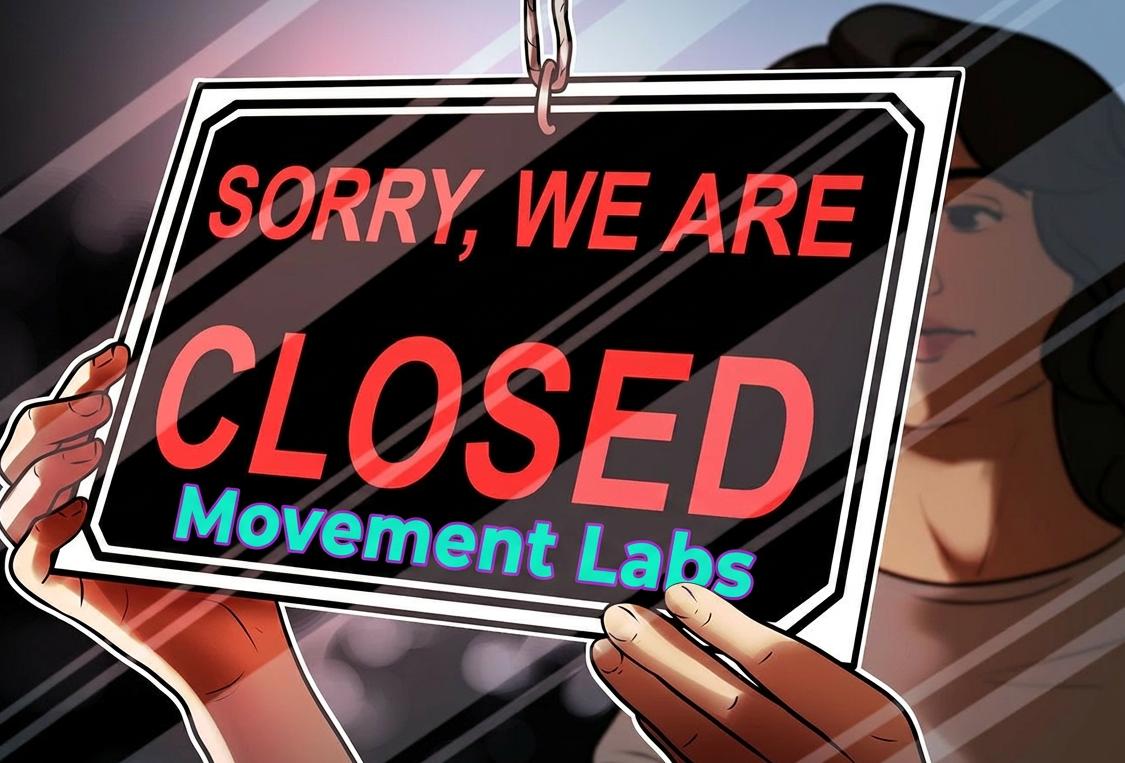

Movement Labs Files for Chapter 11 Bankruptcy After Months of MOVE Token Turmoil
In a stunning blow to the Move-based ecosystem, Movement Labs has officially filed for Chapter 11 bankruptcy protection. The decision comes after a grueling few months characterized by extreme volatility, leadership instability, and a series of scandals that eroded investor confidence and decimated the market value of its native token, MOVE. While the filing marks a dark chapter for the blockchain developer, the company intends to continue its operations under court supervision, hoping to restructure its debt and pivot toward a sustainable future.
The bankruptcy filing is not an isolated event but rather the culmination of a "perfect storm" of systemic failures. For the broader cryptocurrency industry, the collapse of Movement Labs serves as a cautionary tale about the dangers of aggressive market-making practices, the criticality of transparent governance, and the fragility of projects that rely too heavily on speculative hype over fundamental stability.
The Anatomy of a Collapse: From Innovation to Insolvency
Movement Labs initially entered the scene as a promising disruptor, aiming to bring the safety and scalability of the Move programming language—originally developed by Meta (formerly Facebook) for the Diem project—to the Ethereum ecosystem. The project promised a high-performance Layer 2 solution that could prevent common smart contract vulnerabilities. However, the technical promise was soon overshadowed by a series of governance and financial crises.
The downward spiral began with revelations regarding the project's relationship with external market makers. Allegations surfaced that MOVE token liquidity was being manipulated to artificially prop up prices, leading to a "market-making scandal" that triggered a massive sell-off. As the transparency of the token's distribution and trading patterns came into question, institutional investors and retail holders alike began exiting their positions, leading to a death spiral in the token's valuation.
Leadership Crisis and the Suspension of a Co-Founder
The financial turmoil was compounded by internal instability. The suspension of one of Movement Labs' co-founders sent shockwaves through the community. While the company remained tight-lipped about the specific details of the suspension, the move signaled deep fissures within the executive leadership. In the decentralized world, where "founder risk" is a primary concern for venture capitalists, the public fallout at the top level essentially froze further funding rounds and partnerships.
This leadership vacuum occurred at the exact moment the project needed a steady hand to navigate the liquidity crisis. Instead of a unified recovery plan, the project faced internal strife, leaving the development team stranded and the community feeling abandoned.
The Domino Effect: Exchange Delistings and Liquidity Crunch
As the scandal intensified, the project's accessibility plummeted. Major cryptocurrency exchanges, citing high volatility and concerns over the project's viability, began delisting the MOVE token. Delistings are often the "kiss of death" for mid-cap projects, as they remove the primary avenues for liquidity and signal to the market that the asset is no longer considered tradeable or safe.
With fewer venues to trade and a collapsing price, the project's treasury—largely held in its own native assets—evaporated. Movement Labs found itself unable to meet its operational obligations, including payroll and infrastructure costs, leaving the company with no choice but to seek legal protection under Chapter 11.
What Chapter 11 Means for the MOVE Ecosystem
Unlike Chapter 7, which involves a total liquidation of assets, Chapter 11 allows a company to reorganize while continuing to function. For Movement Labs, this means the developers will still be working on the protocol, but every major financial decision must now be approved by a bankruptcy court. The goal is to restructure existing debts and potentially find a new strategic partner or buyer to inject fresh capital into the project.
For MOVE token holders, the outlook remains grim. Bankruptcy proceedings typically prioritize secured creditors over unsecured token holders. There is a significant risk that the tokens will be deemed worthless, or that a restructuring plan will involve a heavy dilution of existing holdings to satisfy creditors.
Industry Implications: A Lesson in Governance
The fall of Movement Labs highlights a recurring theme in the current crypto cycle: the gap between technical innovation and operational integrity. The project had the "right" tech—the Move language is widely respected for its security properties—but it suffered from "wrong" management.
The industry is now looking closer at the role of market makers in token launches. The "MOVE turmoil" underscores the need for audited liquidity provisions and a move away from opaque agreements that can lead to price manipulation. As the market matures, the era of "growth at all costs" is being replaced by a demand for rigorous compliance and corporate governance.
Final Thoughts: Is There a Path to Recovery?
Whether Movement Labs can successfully emerge from bankruptcy remains to be seen. While the core technology remains valuable, the brand is severely tarnished. To survive, the project will need to implement a total overhaul of its leadership, provide full transparency regarding the previous scandals, and deliver a tangible product that proves its utility beyond speculative trading.
For now, the crypto community watches with bated breath, hoping that the technical contributions of Movement Labs can be salvaged from the wreckage of its corporate failures.