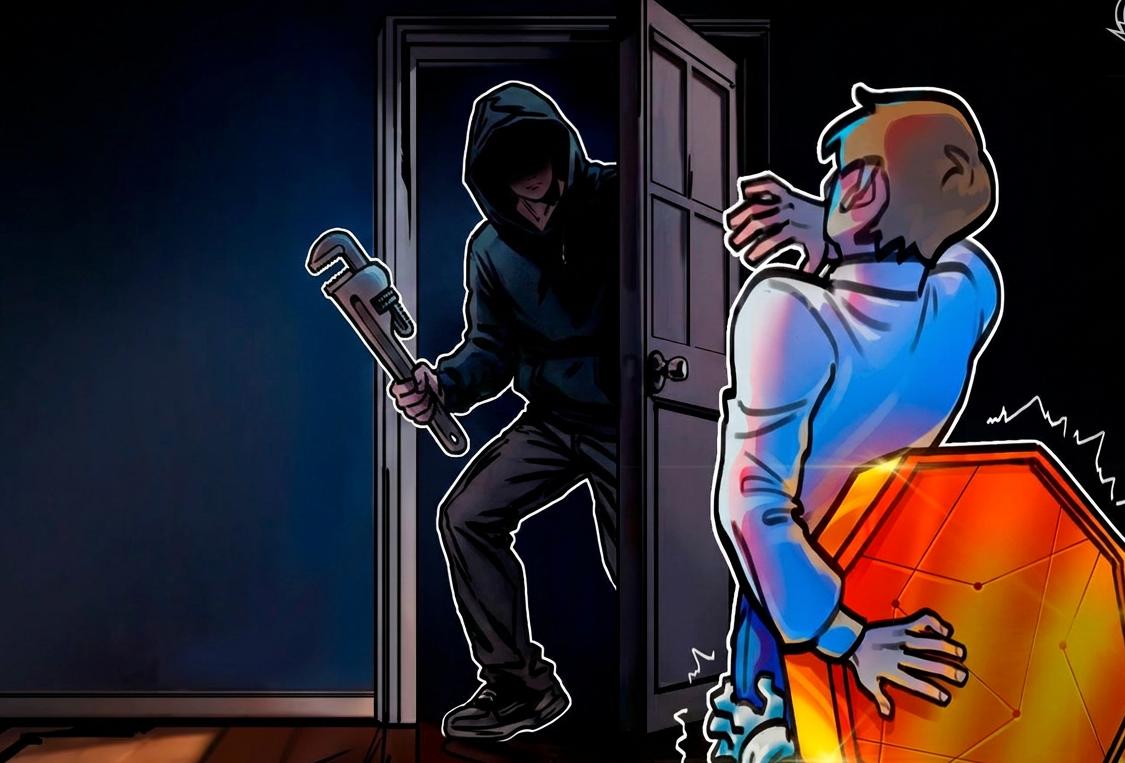

The digital frontier of cryptocurrency is often associated with complex smart contract bugs and sophisticated phishing schemes. However, a chilling trend is emerging in the physical world. According to a recent report by blockchain security firm CertiK, "wrench attacks"—the act of using physical coercion or violence to force victims to transfer funds—have seen a disturbing evolution. In the first half of 2026 (H1 2026), home invasions have surpassed other forms of physical extortion to become the most common method of crypto theft.
The Rise of the Physical Breach: Analyzing the Data
The statistics provided by CertiK highlight a frightening trajectory. In H1 2025, recorded instances of crypto-related home invasions were virtually negligible, with only one verified case reported during the same period. Fast forward to the first six months of 2026, and that number has surged to 20. This exponential increase suggests that criminals are shifting their focus from the "digital wall" to the "physical door."
Across all verified "wrench attacks"—a term derived from the idea of threatening someone with a wrench to get their private keys—CertiK documented 52 incidents globally in H1 2026. Of these, home invasions now represent the primary vector, indicating that attackers are no longer just targeting individuals in public spaces or through "kidnap-and-release" schemes, but are instead infiltrating the sanctuary of the victim's home.
The Geographic Epicenter: Why France?
Perhaps the most startling revelation in the CertiK report is the geographical distribution of these crimes. France has emerged as a primary hotspot for crypto-related violence, accounting for 33 of the 52 verified wrench attacks globally. This means nearly 63% of all such incidents occurred within French borders.
Industry analysts suggest several reasons for this trend. First, France has seen a significant surge in crypto adoption among high-net-worth individuals. Second, the increasing visibility of "crypto whales" on social media—often flaunting luxury lifestyles funded by digital assets—has created a roadmap for organized crime syndicates. When digital security is too strong to breach via hacking, criminals turn to the most vulnerable point of failure: the human owner.
The Anatomy of a "Wrench Attack"
A wrench attack is the ultimate social engineering exploit. Unlike a phishing link that tricks a user into giving away their seed phrase, a wrench attack removes the element of choice. Attackers typically target individuals known to hold significant sums of Bitcoin, Ethereum, or stablecoins. Once the victim is incapacitated or threatened, they are forced to unlock their hardware wallets, provide PINs, or sign transactions.
The shift toward home invasions indicates a higher level of premeditation. Attackers are now conducting "physical reconnaissance," monitoring the movements of their targets and identifying the exact moment a victim is most vulnerable. The goal is no longer just a quick robbery but a comprehensive extraction of all digital wealth.
The "Security Paradox" of Hardware Wallets
For years, the gold standard for crypto security has been the hardware wallet. By keeping private keys offline, users are protected from remote hacks. However, the CertiK report highlights a critical "security paradox": as digital security improves, the incentive for physical violence increases.
If a hacker cannot break through 256-bit encryption, they will simply target the person who knows the password. This transition from cyber-crime to violent crime marks a dangerous turning point for the industry, shifting the responsibility of security from software engineers to personal safety experts.
How to Protect Yourself Against Physical Extortion
Given the rise in home invasions, the community must rethink how they store their assets. Relying solely on a hardware wallet may no longer be enough if the device is stored in a predictable location. Experts suggest the following mitigation strategies:
- Multi-Signature (Multi-Sig) Wallets: Implement a setup where multiple keys are required to authorize a transaction. If one key is physically held by the user and another is stored in a secure, remote location (or managed by a trusted third party), a single physical threat cannot drain the wallet.
- Duress PINs: Some advanced security solutions allow for a "duress password" that opens a wallet with a small amount of funds, misleading the attacker into thinking they have emptied the account while the primary holdings remain hidden.
- Operational Security (OpSec): Avoid disclosing your crypto holdings or lifestyle on social media. The "wealth signal" is the primary driver for these targeted home invasions.
- Physical Security: Invest in home security systems and be mindful of who has access to your residential information.
Conclusion: A Wake-Up Call for the Ecosystem
The findings by CertiK serve as a grim reminder that the decentralization of finance does not remove the risks of the physical world. As the value of cryptocurrency grows and its adoption spreads, the "wrench attack" is likely to evolve further. The surge in home invasions in H1 2026, particularly in France, underscores the need for a holistic approach to security—one that combines cryptographic rigor with physical vigilance.
In the race between the blockchain and the criminal, the battle has moved from the cloud to the living room. Staying safe in 2026 requires more than just a strong password; it requires a strategy for survival in an era of physical digital theft.