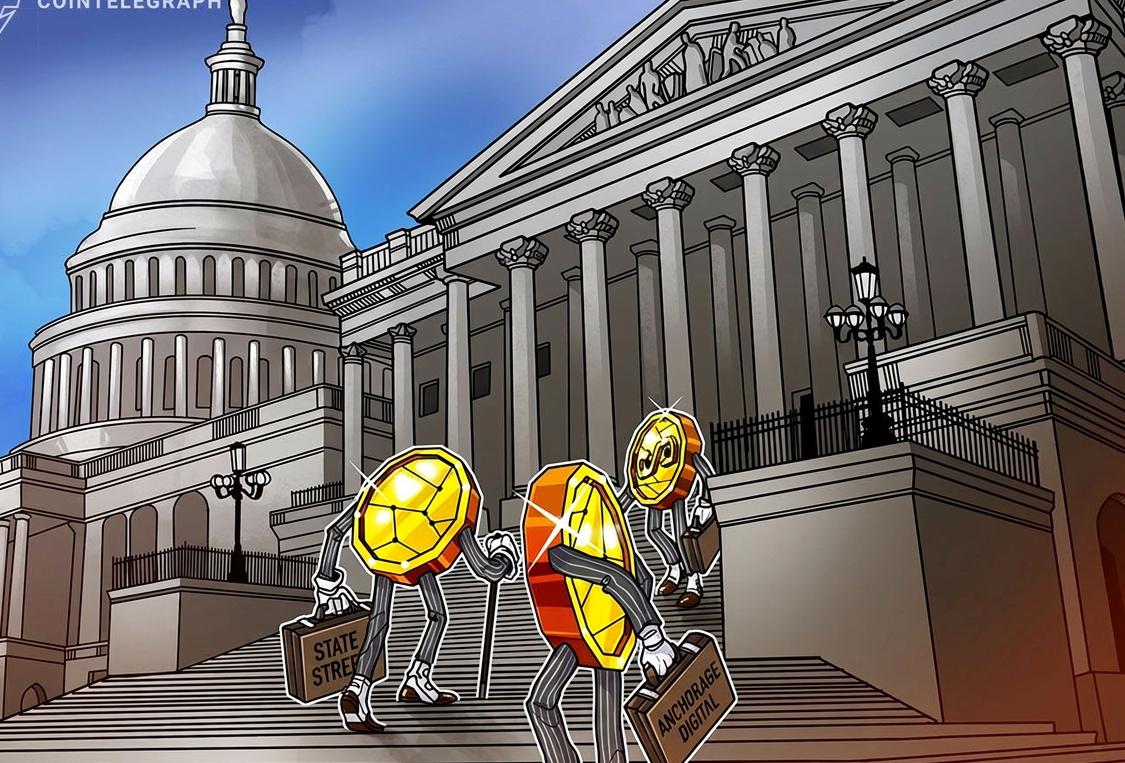

The digital asset landscape in the United States has reached a critical juncture. As the 2026 midterm elections loom on the horizon, the window for legislators to establish a comprehensive, cohesive market structure for cryptocurrencies is narrowing. At the heart of this legislative push is the CLARITY Act, a proposal that crypto advocacy groups are championing as the essential blueprint for bringing legal certainty to a volatile industry.
However, the road to regulatory clarity is not without friction. While industry leaders push for a framework that fosters innovation, a growing wave of pushback regarding ethics rules and transparency requirements has created a complex political tug-of-war in Washington D.C.
The Urgency of the CLARITY Act
For years, the US crypto industry has operated in a "regulation by enforcement" environment. Rather than clear statutory guidelines, the industry has faced a series of lawsuits and consent decrees from the Securities and Exchange Commission (SEC) and the Commodity Futures Trading Commission (CFTC). The CLARITY Act seeks to pivot this approach by providing a defined legal status for digital assets, specifically focusing on stablecoins and the jurisdictional boundaries between regulators.
Industry advocacy groups argue that without the passage of this act, the US risks a "brain drain" of talent and capital. With the European Union already implementing the comprehensive MiCA (Markets in Crypto-Assets) regulation, the US finds itself lagging behind. Advocacy groups assert that the CLARITY Act would not only protect consumers by mandating reserves and audits for stablecoin issuers but would also provide the institutional confidence necessary for traditional finance (TradFi) to integrate with decentralized finance (DeFi).
The Ethics Conflict: Transparency vs. Privacy
While there is broad agreement on the need for a market structure, the debate over "ethics rules" has become a significant stumbling block. Some lawmakers are insisting on stringent ethics requirements and disclosure mandates for those involved in the drafting and implementation of crypto legislation. These rules are designed to prevent conflicts of interest, ensuring that legislators who hold digital assets are not crafting laws that directly inflate their personal portfolios.
However, these ethics rules are facing substantial pushback from two fronts. First, some policymakers argue that overly restrictive disclosure rules could discourage experts from participating in the legislative process, fearing that their private financial data will be weaponized by political opponents. Second, certain industry lobbyists argue that these rules are being used as a "stalling tactic" to delay the passage of the bill itself.
The tension lies in the balance between accountability and efficiency. Advocacy groups maintain that while ethics are paramount, they should not serve as a roadblock to a bill that addresses the systemic risks of the current unregulated environment.
The 2026 Deadline: A Political Clock
In the world of US politics, the legislative calendar is dictated by the election cycle. The proximity of the 2026 elections means that lawmakers are entering a phase where "big lift" legislation becomes harder to pass. Once the campaign trail begins, the appetite for complex, nuanced financial reform typically diminishes in favor of shorter, more populist talking points.
Crypto advocacy groups are reminding Congress that the "cost of inaction" is now higher than the risk of imperfect legislation. With the rise of Layer 2 solutions, the expansion of Real World Asset (RWA) tokenization, and the increasing institutional adoption of Bitcoin ETFs, the gap between the technology and the law is widening into a chasm.
What This Means for the Average Investor
For the retail investor, the passage of the CLARITY Act would represent a shift from uncertainty to stability. A clear legal framework reduces the likelihood of sudden, unexpected regulatory crackdowns that lead to market volatility. Moreover, clear rules regarding stablecoin collateral would mitigate the risk of "de-pegging" events, which have historically wiped out billions in value during market panics.
If the pushback on ethics rules continues to derail the bill, the US may continue to see a fragmented regulatory approach. This not only creates a headache for compliance officers at major exchanges but also keeps the "institutional floodgates" partially closed, as risk-averse pension funds and insurance companies avoid assets that lack a clear statutory definition.
Conclusion: The Path Forward
The fight for the CLARITY Act is more than just a battle over definitions; it is a struggle to determine whether the United States will lead the next evolution of the financial system or merely react to it. While the debate over ethics rules highlights the necessary caution required when dealing with a novel asset class, it must not overshadow the primary objective: creating a safe, transparent, and competitive market for digital assets.
As advocacy groups ramp up their lobbying efforts, the next 18 months will be decisive. Whether the CLARITY Act clears the legislative hurdle before the 2026 elections will likely determine the trajectory of the US crypto economy for the next decade.