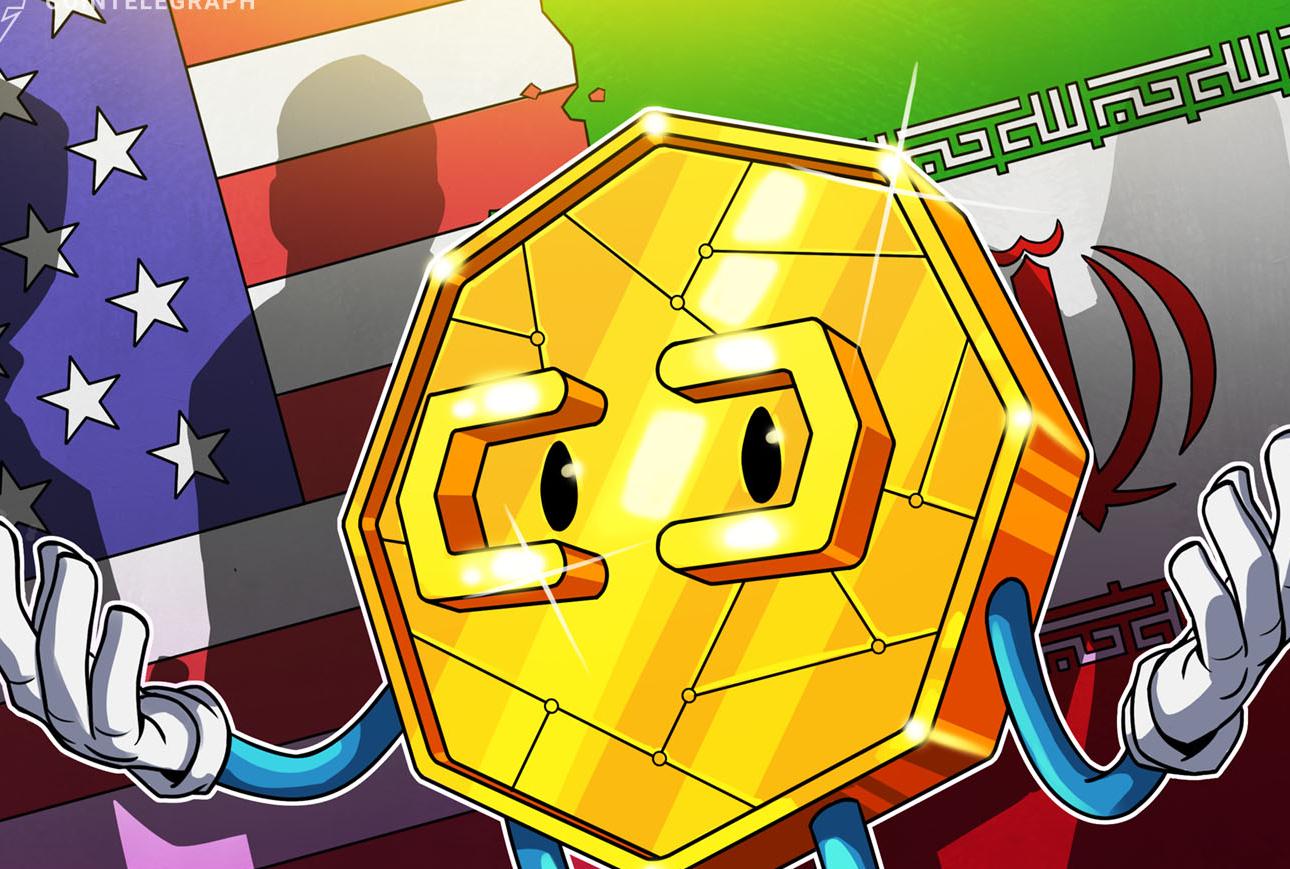
Bitcoin price avoids major Iran jitters as S&P 500 ‘short squeeze’ on horizon
The intersection of geopolitical instability and global financial markets often creates a volatile cocktail for investors. Recently, the escalation of tensions between the United States and Iran sent shockwaves through traditional diplomatic channels, yet the digital asset market reacted with surprising resilience. While traditional safe-haven assets like gold typically lead the charge during such unrest, Bitcoin (BTC) has demonstrated a burgeoning ability to decouple from immediate panic, maintaining a steady floor even as geopolitical jitters peaked.

Current market data suggests that Bitcoin and US equities have remained remarkably strong despite the heightened rhetoric coming from the Middle East. However, the real story lies in the divergence of their future trajectories. While Bitcoin is absorbing the shock of geopolitical instability, analysts are now pointing toward a looming "short squeeze" in the S&P 500, which could paradoxically drive further liquidity and speculative interest into the crypto space.
Geopolitical Friction: Why Bitcoin Didn't Crash
Historically, sudden geopolitical escalations lead to a "risk-off" sentiment, where investors dump volatile assets (like tech stocks and cryptocurrencies) in favor of the US Dollar or Treasury bonds. However, the recent Iran-US tensions have not triggered the expected mass exodus from Bitcoin. This stability can be attributed to several structural shifts in how BTC is perceived by institutional holders.
Firstly, the "Digital Gold" narrative is gaining actual traction. As traditional fiat systems face the risk of sanctions and cross-border payment freezes—common tools in US-Iran disputes—the censorship-resistant nature of Bitcoin becomes a tangible utility rather than a theoretical benefit. Furthermore, the integration of Bitcoin into institutional portfolios via Spot ETFs has created a more sophisticated layer of liquidity, preventing the erratic "panic selling" seen in previous cycles.
Moreover, the market seems to have priced in a certain level of perpetual global instability. With the ongoing conflicts in Europe and the Middle East, traders have become accustomed to headline-driven volatility, leading to a higher threshold for what constitutes a "market-shaking" event.
The S&P 500 Short Squeeze: A Catalyst for Volatility
While Bitcoin holds its ground, the traditional equity market is staring down a different kind of storm: a potential short squeeze in the S&P 500. A short squeeze occurs when a stock or index is heavily bet against (shorted), but the price begins to rise, forcing short-sellers to buy back their positions to cover losses. This buying pressure creates a feedback loop, driving prices even higher, faster.
Many hedge funds and institutional traders have been hedging their portfolios against a global recession or a geopolitical crash, leading to a significant amount of short interest in the S&P 500. If the US-Iran situation settles into a stalemate or resolves without a major kinetic conflict, these short positions will become liabilities. The subsequent rush to cover these positions could propel US stocks to new highs in a rapid, vertical move.
For the crypto market, this is a critical signal. Historically, when the S&P 500 experiences a rapid surge driven by a short squeeze, it increases overall market liquidity and risk appetite. This "excess" capital often flows into high-beta assets—namely Bitcoin and Ethereum—as investors seek to maximize gains following the equity rally.
Predicting the Divergence: BTC vs. Equities
Technical analysis suggests that Bitcoin is currently outperforming equities on a risk-adjusted basis. While the S&P 500 is fighting against gravity and high valuations, Bitcoin is riding a wave of halving-cycle momentum and institutional adoption. Analysts predict that as the equity market resolves its short-squeeze tension, Bitcoin will likely see a more sustainable upward trajectory.
The divergence is rooted in the underlying drivers. Equities are tied to corporate earnings and macroeconomic stability. Bitcoin, conversely, is increasingly tied to the global liquidity cycle and the debasement of fiat currency. If the US government continues to spend heavily to manage geopolitical tensions, the resulting inflationary pressure serves as a long-term bullish catalyst for BTC.
The Bottom Line for Investors
For the average investor, the current climate is a masterclass in the evolution of Bitcoin. The fact that BTC avoided a major drawdown during the Iran jitters proves its growing maturity. However, the looming S&P 500 short squeeze suggests that the market is not yet out of the woods regarding volatility.
The strategy for the coming weeks remains clear: monitor the "funding rates" in the futures market and keep a close eye on the VIX (Volatility Index). If the equity market squeezes shorts, expect a secondary wave of liquidity to hit the crypto markets, potentially pushing Bitcoin toward its previous all-time highs. In a world where geopolitical tension is the new normal, the ability of Bitcoin to act as both a hedge and a growth asset makes it an indispensable part of a modern diversified portfolio.
As we move further into the year, the narrative is shifting from "Will Bitcoin survive the crisis?" to "How much will Bitcoin benefit from the instability of traditional systems?" The answer, it seems, is leaning heavily toward the latter.